Water is one of those things we rarely think about until something seems wrong. Perhaps the water tastes different, white marks begin appearing on faucets, or the pressure in the shower suddenly drops. Sometimes the signs are subtle, and other times they’re impossible to ignore. Whatever the situation, understanding how water moves through your home or business can help you make better decisions, avoid unnecessary expenses, and enjoy greater peace of mind.
A dependable water system isn’t just about installing equipment and hoping for the best. It involves understanding the water supply, identifying potential problems, and making sure the equipment responsible for delivering and treating that water continues to work as intended.
Start by Understanding What’s in Your Water
Every water supply has its own characteristics. Municipal water and private well water, for example, can differ considerably in mineral content, treatment history, and possible contaminants. Even neighboring properties may experience different conditions depending on plumbing materials, groundwater sources, and local infrastructure.
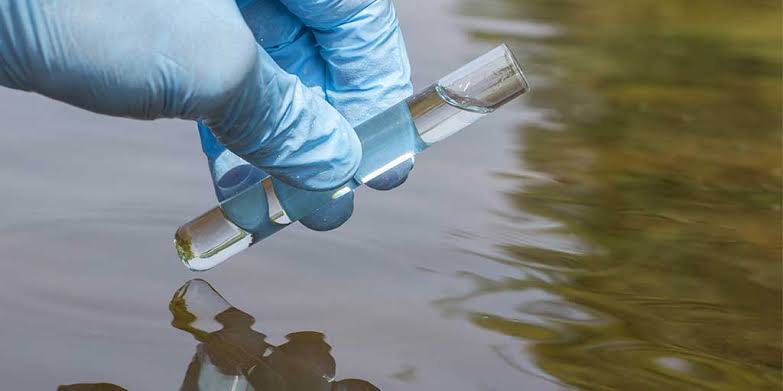
This is why water testing and analysis can be such a valuable first step. Rather than guessing why your water smells unusual or leaves stains on sinks, a proper test can help identify the underlying issue. Depending on the source and your concerns, testing may examine hardness, pH, iron, manganese, nitrates, bacteria, or other substances.
The right tests depend on the situation. A household dealing with hard water may need a different assessment from a business concerned about water used in food preparation or manufacturing. Private well owners should also follow appropriate testing recommendations, because groundwater conditions can change over time.
Once you understand the results, it’s easier to decide whether treatment is necessary and which approach makes sense. That can prevent spending money on equipment that doesn’t address the actual problem.
Recognizing the Signs of Water Quality Problems
Water doesn’t always look or smell unusual when something is wrong. Still, there are everyday clues worth paying attention to. A metallic taste, reddish stains around fixtures, cloudy water, persistent scale on showerheads, or an unusual odor may point toward a specific issue.
These water quality concerns shouldn’t automatically cause alarm, but they shouldn’t be dismissed either. Some problems are mostly aesthetic, such as mineral deposits caused by hard water. Others may require prompt investigation, particularly when contamination is suspected or the water comes from a private well.
Pay attention to changes rather than relying on appearance alone. Clear water isn’t necessarily safe, and an unpleasant taste doesn’t always mean the water is hazardous. Testing provides more reliable information than assumptions.
It’s also helpful to notice when the problem occurs. Does the odor appear only after water has been sitting in the pipes? Is discoloration present at every faucet or just one? Does the issue happen after heavy rainfall or plumbing work? These details can help a qualified professional narrow down the possible causes.
Choosing Equipment That Fits Your Needs
Once a problem has been identified, the next step is selecting an appropriate solution. There’s no single piece of equipment that fixes every water issue, and buying a system simply because a neighbor recommends it may not deliver the expected results.
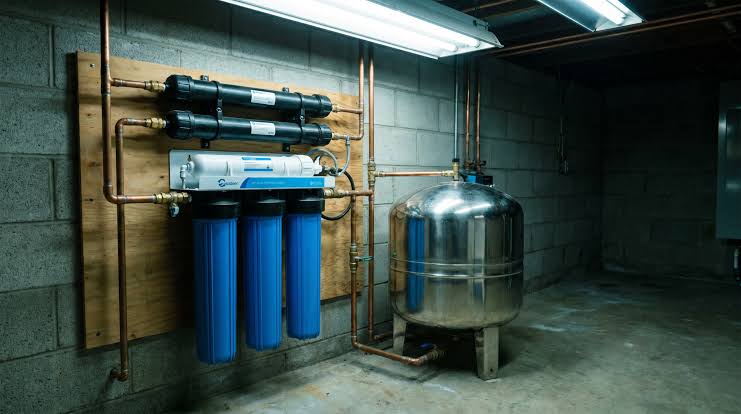
Water softeners, for instance, are commonly used to reduce hardness minerals that contribute to scale buildup. Filtration systems can target particular substances, depending on the filter technology and its intended purpose. Reverse osmosis systems may be suitable for certain drinking-water applications, while specialized treatment equipment can address specific conditions found in some wells.
The important point is to match the treatment method to the test results and the intended use. A drinking-water filter might improve water at a kitchen tap without treating every faucet in the building. Whole-house equipment, on the other hand, can treat water entering the property, provided the system is designed for the supply and the problems being addressed.
Before purchasing equipment, ask about its capacity, maintenance requirements, operating costs, and the contaminants or minerals it is certified or designed to reduce. A clear explanation is much more useful than a long list of technical features.
Why Pump Systems Matter
Water quality is only one part of a reliable supply. Water must also move through the plumbing at an appropriate pressure and flow rate, whether it is serving a small household, a commercial property, or a larger facility.
Well-designed pump systems help move water from its source to the places where it’s needed. Depending on the application, a system may include a pump, pressure tank, controls, filters, valves, and related components. Each part plays a role in keeping water available when someone turns on a tap or equipment begins operating.
If a pump is undersized, it may struggle to meet demand. An oversized unit can waste energy, cycle too frequently, or create unnecessary wear. Pressure fluctuations, unusual noises, repeated starts and stops, and a sudden loss of flow are all reasons to investigate the system.
Professional assessment can help determine whether the issue comes from the pump itself, the pressure controls, a blocked filter, a leak, or another component. Replacing equipment without identifying the cause may only provide temporary relief.
Maintenance Is Easier Than Emergency Repairs
Even a well-designed water treatment or pumping system needs regular care. Filters become clogged, softeners need replenishment and servicing, and mechanical components gradually wear. Ignoring these routine needs can reduce performance and sometimes shorten the equipment’s useful life.
Start by following the manufacturer’s maintenance schedule. Replace filters at the recommended intervals, inspect accessible connections for leaks, and keep an eye on pressure readings where applicable. If your system uses treatment chemicals or salt, make sure supplies are appropriate for the equipment and replenished when needed.
It’s also worth keeping simple records. Note when filters were changed, when the system was serviced, and whether any unusual symptoms appeared. These small details can help identify recurring problems before they turn into expensive repairs.
Not every maintenance task needs a professional, but some work is best left to trained technicians. Electrical components, pressure systems, contamination issues, and complicated treatment equipment deserve careful handling. If performance changes suddenly, arrange an inspection instead of repeatedly resetting the equipment and hoping the problem disappears.
Making Water Management a Long-Term Priority
For homeowners, reliable water means more than convenience. It can protect plumbing fixtures, support everyday cleaning, and help appliances operate as intended. For businesses, consistent water performance may also affect productivity, customer experience, sanitation procedures, and operating costs.
A sensible water management plan starts with knowing your supply, selecting equipment for a clear purpose, and maintaining it consistently. It also means reviewing the system when circumstances change. A growing household, a renovated property, increased commercial demand, or a change in well-water conditions may require a fresh assessment.
Most importantly, don’t wait for a complete breakdown before paying attention. A strange taste, declining pressure, or repeated equipment fault can be an early warning rather than a minor inconvenience.
Good water management rarely depends on one dramatic fix. More often, it comes from several practical decisions made over time: testing when appropriate, choosing suitable equipment, responding to warning signs, and arranging maintenance before problems escalate.
Water should be something you can rely on without giving it much thought. With the right information and a little ongoing attention, you can keep your system performing well and make more confident decisions about the water you use every day.