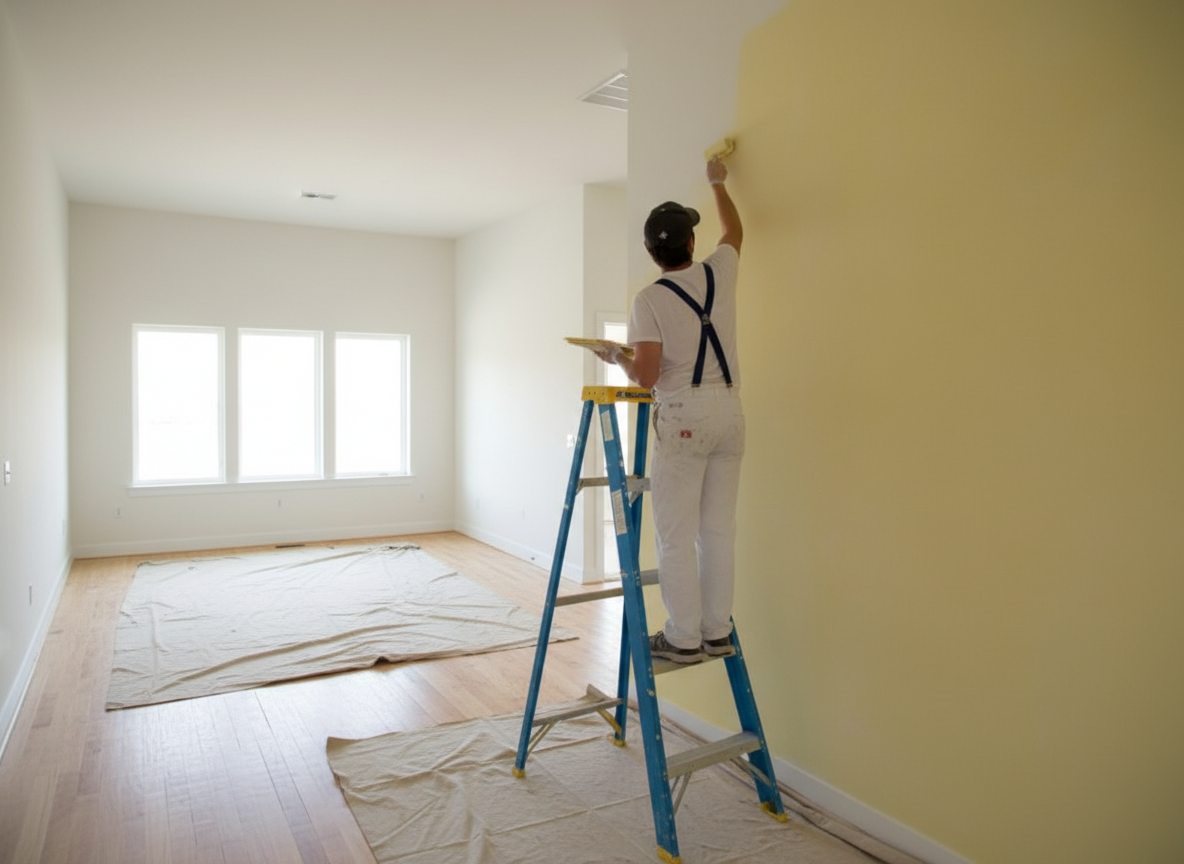
Interior painting is one of the most effective ways to refresh a home’s appearance without undertaking a major renovation. Hiring premium interior wall painting contractors can help homeowners achieve a polished finish through proper surface preparation, quality paint selection, and precise application. Fresh paint can brighten dark rooms, create visual harmony, and make living spaces feel cleaner and more inviting. Careful planning also helps ensure that colors, finishes, and materials suit the home’s design and everyday needs.
Superior Homes Painting USA offers homeowners a starting point for exploring professional interior painting solutions. Experienced painting professionals understand how wall conditions, lighting, and paint finishes influence the final result. With the right preparation and materials, a well-executed paint job can enhance interior spaces, improve their overall appearance, and support easier maintenance over time.
Why Professional Interior Wall Painting Matters
Interior walls experience daily wear from furniture, foot traffic, and household activities. Over time, paint may fade, stain, chip, or lose its original finish. Repainting refreshes these surfaces and addresses minor imperfections.
Professional painting also helps create a consistent color scheme and a more uniform finish throughout the home. Key benefits include:
- Consistent coverage: Reduces visible roller marks and uneven color.
- Proper preparation: Addresses cracks, nail holes, peeling paint, and rough surfaces.
- Suitable materials: Matches paint and finishes to each room’s needs.
- Efficient planning: Organizes preparation, application, drying, and inspection.
- Clean details: Creates neat edges around trim, doors, windows, and ceilings.
These details are particularly important in open floor plans, where inconsistencies between adjoining walls are more noticeable.
How Professional Interior Painting Works
Choosing a painting contractor involves more than comparing prices. Homeowners should evaluate surface preparation, paint selection, application methods, and quality control. A clear process helps set expectations and prevent misunderstandings.
1. Initial Inspection and Project Assessment
Contractors should assess existing paint, wall texture, visible damage, and conditions affecting paint adhesion. Minor scuffs may require simple repairs, while peeling paint, deep cracks, or moisture damage need more extensive attention.
Discuss the project scope, preferred colors, furniture protection, and scheduling before work begins.
2. Thorough Surface Preparation
Proper preparation creates a stable foundation for new paint. Tasks may include cleaning, sanding, filling holes, repairing imperfections, and applying primer where needed.
Homeowners should also confirm how floors, furniture, and fixtures will be protected. Any underlying moisture problems must be resolved before repainting to prevent recurring stains or coating failure.
3. Professional Paint Application
Proper application helps minimize roller marks, uneven coverage, and inconsistent sheen. Contractors should use suitable tools and follow manufacturer instructions for coverage, drying time, and recoating.
A second coat may be necessary to achieve consistent color, especially when transitioning from dark to light shades. The number of coats depends on the paint product, surface condition, and color change.
Choosing the Right Interior Paint Finish
Paint finishes affect both appearance and maintenance. Understanding the main options helps homeowners select suitable coatings for each room.
Matte and Flat Finishes
Matte and flat finishes reflect less light, helping minimize the appearance of minor wall imperfections. They suit many bedrooms and low-traffic areas, although cleanability varies by product.
Eggshell and Satin Finishes
Eggshell offers a subtle sheen suitable for living rooms and bedrooms. Satin typically provides greater cleanability, making it a practical option for hallways and frequently used spaces.
Semi-Gloss Finishes
Semi-gloss reflects more light and is commonly used on trim, doors, and surfaces requiring frequent cleaning. Because it highlights imperfections, proper surface preparation is essential.
The best finish depends on the room, surface condition, maintenance needs, and manufacturer’s recommendations. A painting professional can help homeowners choose an appropriate option.
How to Select Interior Paint Colors With Confidence
Paint colors influence how spacious, bright, or inviting a room feels. Lighting, flooring, furniture, and surrounding colors can also change how a shade appears on the wall.
Warm whites create a softer atmosphere, while cooler neutrals offer a contemporary look. Deeper shades add contrast when balanced with suitable lighting and furnishings.
Before choosing a color, consider these steps:
- Evaluate lighting: Observe how natural and artificial light affect the shade.
- Test samples: Apply paint samples directly to the walls.
- Match existing materials: Consider flooring, furniture, curtains, and fixtures.
- Coordinate colors: Choose complementary shades for connected spaces.
- Define the mood: Decide whether the room should feel bright, calm, or dramatic.
Testing samples in different areas helps reveal changes caused by lighting and shadows, reducing the risk of costly color adjustments.
Factors That Influence Interior Painting Costs
Interior painting estimates vary according to the size and condition of the space, the materials selected, and the amount of preparation required. Understanding these factors helps homeowners compare proposals more accurately.
Room Size and Surface Condition
Larger rooms generally require more paint and labor, although ceiling height, wall layout, and architectural details also affect the total scope. Rooms with extensive damage, peeling coatings, or uneven surfaces may require additional preparation.
Paint Quality and Number of Coats
Paint products vary in coverage, durability, finish, and price. Selecting a suitable product for the room’s intended use can help balance initial costs with long-term maintenance requirements.
The number of coats also affects material and labor needs. Significant color changes, uneven existing coatings, or particular product requirements may increase the amount of paint needed.
Repairs, Trim, and Additional Work
Patching damaged drywall, repairing minor surface imperfections, painting ceilings, and refinishing trim can add to the overall project cost. These tasks should be identified in advance so the estimate reflects the actual work required.
When reviewing quotes, homeowners should compare preparation details, paint specifications, included repairs, the number of coats, cleanup responsibilities, and projected completion dates. The lowest price may not represent the best value if essential work has been excluded.
Maintaining Freshly Painted Interior Walls
Proper care helps preserve the appearance and durability of freshly painted walls. Allow paint to cure according to the manufacturer’s instructions before cleaning or placing furniture against the surface.
Simple Wall Care Tips
- Remove dust gently: Use a soft cloth or duster.
- Clean stains carefully: Use suitable cleaning products and test an inconspicuous area first.
- Prevent scuffs: Keep furniture from rubbing against walls.
- Address damage early: Monitor stains, bubbling, peeling, or discoloration.
Recurring stains or peeling may indicate moisture problems or poor paint adhesion. Addressing the underlying cause helps prevent further damage.
Refresh Your Home With Expert Interior Painting
A successful interior painting project combines thoughtful color selection, appropriate materials, careful preparation, and consistent application. Each stage contributes to the appearance and performance of the finished walls, making contractor selection an important part of the planning process.
By comparing detailed estimates, asking informed questions, and evaluating the preparation methods and paint products proposed for the project, homeowners can make decisions that align with their budgets and property needs. Choosing premium interior wall painting contractors based on workmanship, communication, and project transparency can also help reduce avoidable complications.
For homeowners exploring professional painting options, Superior Homes Painting USA provides a starting point for learning about residential painting solutions. Reviewing the available services and discussing specific project requirements can help determine the next steps toward refreshed interiors, cohesive colors, and a finish suited to everyday living.