Skip to content
HomesNestVibe
Renovations · maintenance · plumbing · gardens · roofing · design
Home Services

HVAC Air Filter Maintenance Guide

Admin8 min read
HVAC Air Filter Maintenance Guide
Key PointsMaintaining clean indoor air and an efficient heating and cooling system starts with routine furnace filter care. Operating your heating and cooling equipment with a clogged or improperly fitted filter severely restricts system airflow, increases monthly energy costs, and shortens overall equipment lifespan. Homeowners who combine regular filter changes with professional care from Green Home Services - Duct Cleaning enjoy healthier indoor environments and lower utility expenses year round. This ultimate HVAC air filter maintenance guide provides everything you need to know about selecting the right media, setting proper replacement schedules, and avoiding common maintenance pitfalls. By treating air filter upkeep as a core household routine, you protect your heating unit, blower motor, and indoor air quality from circulating dust and airborne debris. Why Proper HVAC Air Filter Maintenance Matters Your heating and cooling system acts as the respiratory network of your home, drawing in air, conditioning it, and distributing it across every room. The air filter sits at the intake point to protect internal components like the blower motor and evaporator coils from dust accumulation. Without proper maintenance, accumulated dirt restricts airflow, causing your system to work significantly harder to reach target thermostat temperatures. When airflow drops, overall system efficiency drops while operational wear and tear escalates rapidly. Over time, neglected air filters cause frozen cooling coils, tripped heat switches, higher electric bills, and premature system failure. Regular upkeep ensures steady air circulation while removing dust, pollen, and pet dander from your breathing space. Understanding Filter Ratings and Types Selecting the correct replacement media is a critical step in your HVAC air filter maintenance routine. Filters are categorized by their Minimum Efficiency Reporting Value, or MERV rating, which measures how effectively the material captures particles of varying sizes. 1. Standard Fiberglass Filters (MERV 1 to 4) Design: Thin, flat fiberglass strands designed primarily to catch large debris like lint and hair. Best Used For: Protecting equipment components rather than improving indoor air quality. Replacement Needs: Requires replacement every thirty days due to low dust holding capacity. 2. Pleated Cotton or Synthetic Filters (MERV 5 to 8) Design: Accordion-pleated fabric that offers larger surface area for capturing fine dust and mold spores. Best Used For: Standard residential homes seeking a balance between good air filtration and strong airflow. Replacement Needs: Replace every sixty to ninety days under normal household conditions. 3. High-Efficiency Pleated Filters (MERV 9 to 12) Design: Densely woven synthetic fibers capable of trapping microscopic allergens, pet dander, and fine dust. Best Used For: Households with pets, allergy sufferers, or individuals with respiratory sensitivity. Replacement Needs: Check monthly and replace every sixty days as dense media clogs faster. HVAC Air Filter Maintenance Replacement Schedule Determining the right schedule depends heavily on household occupants, pet ownership, and local air quality. Use this comparison table to establish the ideal routine for your home: Household TypeFilter MERV RatingRecommended Replacement FrequencyKey BenefitVacation Home / Single OccupantMERV 5 - 8Every 6 to 12 monthsLow dust accumulation rateAverage Suburban Home (No Pets)MERV 6 - 8Every 90 daysStandard system protectionHome with One Cat or DogMERV 8 - 11Every 60 daysControls pet hair and danderHome with Multiple Pets / AllergiesMERV 11 - 13Every 30 to 45 daysMaximum allergen removal Step-by-Step HVAC Air Filter Maintenance Replacement Process Changing your furnace filter is a simple, quick process that every homeowner can complete in under five minutes. Follow these structured steps to ensure safe and correct installation every time. 1.Turn Off System Power Completely: Turn off your thermostat and cut power to the air handler or furnace using the nearby breaker or emergency shutoff switch. Never replace a filter while the fan is actively running, as loose dust can get sucked straight into the exposed blower motor. 2.Locate and Open the Filter Housing: Find the access door on the return air duct or the furnace cabinet side. Slide open the latch or remove metal retainer clips to reveal the existing filter slot. 3.Note Airflow Direction Arrows: Look closely at the cardboard frame of the old filter before pulling it out. Note the direction of the airflow arrows printed on the side, which point toward the blower motor and away from the return duct. 4.Inspect and Clean the Housing Slot: Slide out the dirty filter carefully to prevent spilling accumulated dust on your floor. Use a damp microfiber cloth or vacuum hose to wipe away loose dirt from the cabinet slot edges. 5.Insert New Filter and Restore Power: Slide the new filter into the slot, ensuring the airflow arrows point toward the blower fan. Secure the access panel, restore electrical power, and reset your thermostat. Common HVAC Air Filter Maintenance Mistakes to Avoid Avoiding simple errors keeps your heating and cooling equipment running at peak performance while preventing unexpected repair bills. Installing the Filter Backward: Placing a filter in reverse restricts air movement and allows heavy dust to bend the cardboard frame out of shape. Using Excessively High MERV Ratings: Residential systems are not designed for thick hospital-grade filters (MERV 14+), which can starve the blower fan of necessary air. Ignoring Signs of Moisture: A wet or damp filter indicates frozen evaporator coils or condensate drain clogs, requiring immediate professional technician evaluation. Running the System Without a Filter: Never operate your heater or air conditioner without a filter installed, as internal coils collect grease and dust rapidly. Key Takeaways Consistent HVAC air filter maintenance is the easiest and most cost-effective way to protect your heating system and preserve healthy indoor air quality. Selecting the proper MERV rating, checking filter surfaces monthly, and replacing clogged media according to your household needs prevents costly mechanical breakdowns. By keeping airflow clear, you ensure your equipment operates efficiently, lowers energy bills, and keeps your home comfortable in every season.

Maintaining clean indoor air and an efficient heating and cooling system starts with routine furnace filter care. Operating your heating and cooling equipment with a clogged or improperly fitted filter severely restricts system airflow, increases monthly energy costs, and shortens overall equipment lifespan. Homeowners who combine regular filter changes with professional care from Green Home Services – Duct Cleaning enjoy healthier indoor environments and lower utility expenses year round.

This ultimate HVAC air filter maintenance guide provides everything you need to know about selecting the right media, setting proper replacement schedules, and avoiding common maintenance pitfalls. By treating air filter upkeep as a core household routine, you protect your heating unit, blower motor, and indoor air quality from circulating dust and airborne debris.

Why Proper HVAC Air Filter Maintenance Matters

Your heating and cooling system acts as the respiratory network of your home, drawing in air, conditioning it, and distributing it across every room. The air filter sits at the intake point to protect internal components like the blower motor and evaporator coils from dust accumulation. Without proper maintenance, accumulated dirt restricts airflow, causing your system to work significantly harder to reach target thermostat temperatures.

When airflow drops, overall system efficiency drops while operational wear and tear escalates rapidly. Over time, neglected air filters cause frozen cooling coils, tripped heat switches, higher electric bills, and premature system failure. Regular upkeep ensures steady air circulation while removing dust, pollen, and pet dander from your breathing space.

Understanding Filter Ratings and Types

Selecting the correct replacement media is a critical step in your HVAC air filter maintenance routine. Filters are categorized by their Minimum Efficiency Reporting Value, or MERV rating, which measures how effectively the material captures particles of varying sizes.

1. Standard Fiberglass Filters (MERV 1 to 4)

  1. Design: Thin, flat fiberglass strands designed primarily to catch large debris like lint and hair.
  2. Best Used For: Protecting equipment components rather than improving indoor air quality.
  3. Replacement Needs: Requires replacement every thirty days due to low dust holding capacity.

2. Pleated Cotton or Synthetic Filters (MERV 5 to 8)

  1. Design: Accordion-pleated fabric that offers larger surface area for capturing fine dust and mold spores.
  2. Best Used For: Standard residential homes seeking a balance between good air filtration and strong airflow.
  3. Replacement Needs: Replace every sixty to ninety days under normal household conditions.

3. High-Efficiency Pleated Filters (MERV 9 to 12)

  1. Design: Densely woven synthetic fibers capable of trapping microscopic allergens, pet dander, and fine dust.
  2. Best Used For: Households with pets, allergy sufferers, or individuals with respiratory sensitivity.
  3. Replacement Needs: Check monthly and replace every sixty days as dense media clogs faster.

HVAC Air Filter Maintenance Replacement Schedule

Determining the right schedule depends heavily on household occupants, pet ownership, and local air quality. Use this comparison table to establish the ideal routine for your home:

Household TypeFilter MERV RatingRecommended Replacement FrequencyKey Benefit
Vacation Home / Single OccupantMERV 5 – 8Every 6 to 12 monthsLow dust accumulation rate
Average Suburban Home (No Pets)MERV 6 – 8Every 90 daysStandard system protection
Home with One Cat or DogMERV 8 – 11Every 60 daysControls pet hair and dander
Home with Multiple Pets / AllergiesMERV 11 – 13Every 30 to 45 daysMaximum allergen removal

Step-by-Step HVAC Air Filter Maintenance Replacement Process

Changing your furnace filter is a simple, quick process that every homeowner can complete in under five minutes. Follow these structured steps to ensure safe and correct installation every time.

1.Turn Off System Power Completely:

Turn off your thermostat and cut power to the air handler or furnace using the nearby breaker or emergency shutoff switch. Never replace a filter while the fan is actively running, as loose dust can get sucked straight into the exposed blower motor.

2.Locate and Open the Filter Housing:

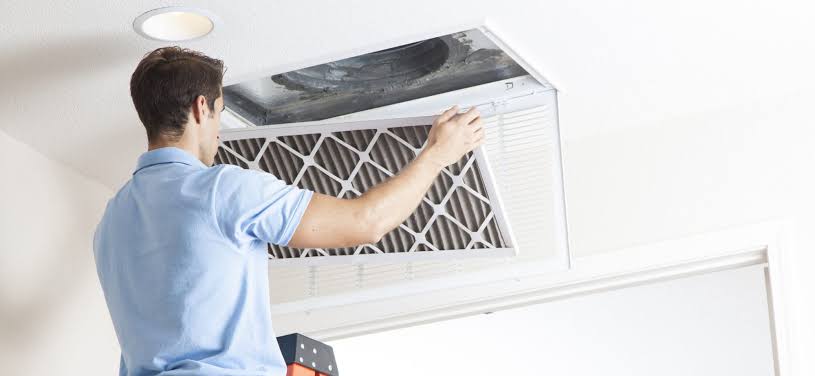
Find the access door on the return air duct or the furnace cabinet side. Slide open the latch or remove metal retainer clips to reveal the existing filter slot.

3.Note Airflow Direction Arrows:

Look closely at the cardboard frame of the old filter before pulling it out. Note the direction of the airflow arrows printed on the side, which point toward the blower motor and away from the return duct.

4.Inspect and Clean the Housing Slot:

Slide out the dirty filter carefully to prevent spilling accumulated dust on your floor. Use a damp microfiber cloth or vacuum hose to wipe away loose dirt from the cabinet slot edges.

5.Insert New Filter and Restore Power:

Slide the new filter into the slot, ensuring the airflow arrows point toward the blower fan. Secure the access panel, restore electrical power, and reset your thermostat.

Common HVAC Air Filter Maintenance Mistakes to Avoid

Avoiding simple errors keeps your heating and cooling equipment running at peak performance while preventing unexpected repair bills.

  1. Installing the Filter Backward: Placing a filter in reverse restricts air movement and allows heavy dust to bend the cardboard frame out of shape.
  2. Using Excessively High MERV Ratings: Residential systems are not designed for thick hospital-grade filters (MERV 14+), which can starve the blower fan of necessary air.
  3. Ignoring Signs of Moisture: A wet or damp filter indicates frozen evaporator coils or condensate drain clogs, requiring immediate professional technician evaluation.
  4. Running the System Without a Filter: Never operate your heater or air conditioner without a filter installed, as internal coils collect grease and dust rapidly.

Key Takeaways

Consistent HVAC air filter maintenance is the easiest and most cost-effective way to protect your heating system and preserve healthy indoor air quality. Selecting the proper MERV rating, checking filter surfaces monthly, and replacing clogged media according to your household needs prevents costly mechanical breakdowns. By keeping airflow clear, you ensure your equipment operates efficiently, lowers energy bills, and keeps your home comfortable in every season.