Water is one of those everyday essentials that rarely gets much attention until something changes. Maybe your morning tea tastes a little different, white marks keep appearing around the kitchen faucet, or the showerhead seems to clog more often than it used to. These things can be frustrating, especially when the water looks perfectly clear.
The tricky part is figuring out what’s actually causing the problem. Water can contain naturally occurring minerals, treatment chemicals, sediment, and other substances that affect its taste, appearance, or suitability for different uses. And while a new filter might sound like an easy fix, the best approach is to understand your water first. That little bit of investigation can save money and help you avoid buying equipment that doesn’t do what you need.
Start With the Water You Already Have
Before comparing products, take a moment to notice what’s happening around your home. Are there chalky deposits on taps and shower screens? Does soap seem less effective? Is there an unusual smell, or has the water’s taste changed recently?
These clues can help you decide what to investigate, but they aren’t a substitute for testing. Hard water, for example, contains elevated levels of calcium and magnesium. Sediment, iron, chlorine, and certain dissolved substances can create different concerns, each requiring its own approach.
Your water source matters, too. Municipal supplies are generally treated and monitored, although plumbing inside a property can still affect the water reaching individual taps. Private wells have different considerations because groundwater quality may change with rainfall, nearby land use, flooding, or other environmental conditions.
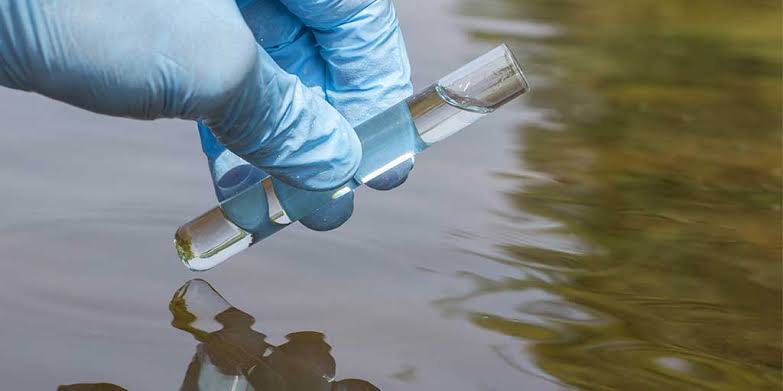
A water test gives you a more reliable starting point. Depending on your source and concerns, it may examine hardness, pH, iron, dissolved solids, bacteria, or particular contaminants. If health-related substances are a concern, use suitable testing methods and consider a certified laboratory rather than relying on a basic in-home demonstration.
Choosing Water for Drinking and Cooking
Many households want to improve the water they drink without changing the plumbing throughout the entire property. That’s where drinking water systems can be useful. Depending on the test results, a countertop filter, an under-sink unit, or a reverse osmosis system may help address specific concerns at the kitchen tap.
The important thing is to match the technology to the problem. Activated carbon filters can reduce chlorine taste and certain odours, while properly selected reverse osmosis systems can reduce many dissolved substances. Their performance varies, so check the manufacturer’s documentation and independent certifications for the particular contaminants you want to reduce.
Think about everyday convenience as well. If several family members fill reusable bottles throughout the day, you’ll want a system that can provide enough treated water without constant waiting. Cabinet space, storage capacity, water pressure, and replacement-filter availability all deserve consideration before making a purchase.
There’s no need to choose the most complicated option simply because it has more stages or a longer list of features. A straightforward filter may be perfectly suitable for a specific taste concern, while a more advanced system may be justified when testing identifies substances that require additional treatment.
When Hard Water Starts Affecting Daily Life
Hard water can be a persistent nuisance. Mineral deposits collect around faucets, glassware develops spots, and shower screens seem to need cleaning again almost immediately. You might also notice that soap doesn’t lather as easily or that laundry feels rough after washing.
For households dealing with these issues, water softeners may be worth considering. Conventional ion-exchange softeners reduce hardness by exchanging calcium and magnesium ions for other ions, commonly sodium. This can help limit scale formation and make cleaning easier.
However, softening and purification are not the same thing. A softener primarily addresses hardness; it isn’t designed to remove every contaminant or disinfect unsafe water. If your concern involves bacteria, lead, nitrates, or another specific substance, additional testing and a suitable treatment method may be necessary.
Before choosing a softener, consider the household’s water hardness, daily consumption, and maintenance preferences. Traditional systems need periodic regeneration and usually require salt replenishment. Some households may also have concerns about sodium in softened water, so it’s sensible to discuss drinking-water arrangements with a qualified professional.
Correct sizing matters more than many people realise. An undersized unit may regenerate too frequently, while a larger system can add expense without providing a meaningful advantage. Testing the water and estimating household demand can help determine an appropriate capacity.
Treating Water Throughout the House
Sometimes the concern isn’t limited to one drinking-water tap. Sediment may affect several fixtures, or particular characteristics of incoming water may influence plumbing and appliances throughout the property. In those situations, whole house filtration may be worth exploring.
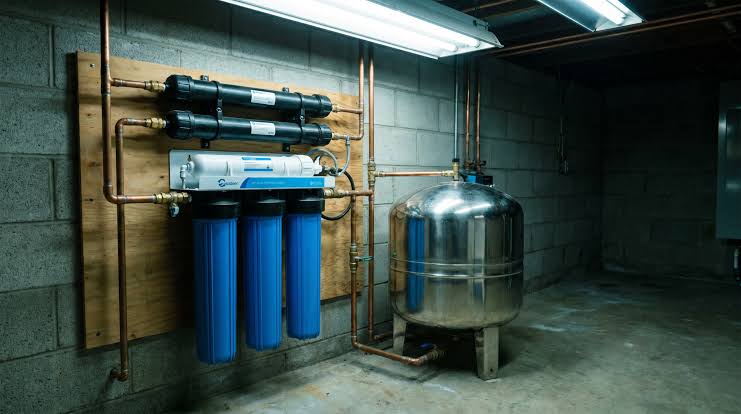
These systems are generally installed where water enters the home, allowing treated water to reach multiple taps and fixtures. Depending on the equipment, filtration may target particles, certain tastes and odours, or selected substances identified through testing.
The filter media must suit the water conditions. A sediment filter can capture suspended particles, for example, but it won’t reliably remove dissolved contaminants. Likewise, standard activated carbon isn’t a universal solution for every chemical or microbiological concern. Ask what the proposed system is designed to reduce and request documentation supporting those claims.
Household demand is another practical consideration. A system should handle simultaneous showers, laundry, and kitchen use without creating an inconvenient drop in water pressure. Installation space, drainage requirements, replacement parts, and service access should also be discussed before work begins.
Whole-house treatment can be useful, but it isn’t automatically necessary for every home. If the main issue is drinking-water taste, a point-of-use filter may be enough. The goal is to treat the problem at the right place rather than adding equipment simply because it’s available.
Don’t Forget the Cost of Maintenance
Buying a treatment system is only the beginning. Filters eventually need replacement, reverse osmosis membranes have a limited service life, and softeners require routine attention. Some equipment also uses electricity or produces wastewater during operation.
Ask for a clear explanation of ongoing costs before committing. Find out how frequently cartridges need changing, whether compatible replacements are readily available, and which maintenance tasks you can safely handle yourself. A lower purchase price may not represent better value if replacement parts are expensive or difficult to obtain.
Keep a record of installation dates, filter changes, service visits, and water-test results. It’s a simple habit, but it makes maintenance easier and helps you recognise when performance may have changed.
If your water suddenly develops an unusual colour, smell, or taste, don’t assume the treatment system is the answer. Investigate the cause and seek appropriate testing, particularly if contamination is suspected.
Make a Choice That Fits Your Home
Good water treatment begins with reliable information, realistic expectations, and a clear understanding of what matters to your household. Testing helps identify the concern, while careful comparisons make it easier to choose equipment suited to the results.
Ask questions about performance, installation, warranties, and maintenance. Be cautious of anyone promising that one device can remove every unwanted substance or suggesting that a basic test proves your water is unsafe.
Ultimately, better water doesn’t have to mean a complicated setup. It means choosing a practical solution that addresses your actual needs and keeping it properly maintained. With a little research and the right guidance, you can make everyday water use more comfortable and feel more confident about the choices you make for your home.