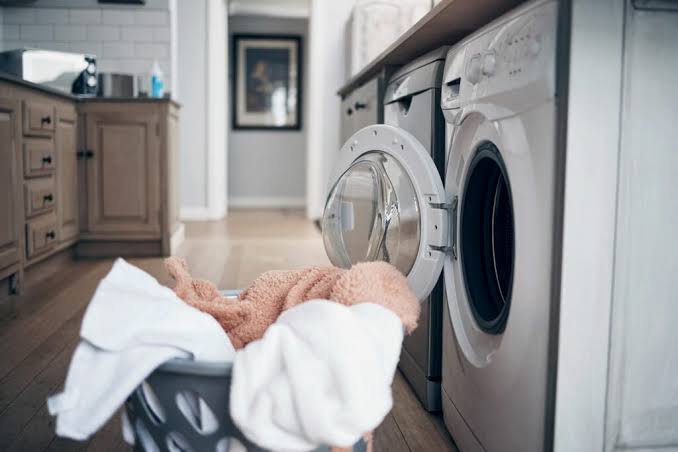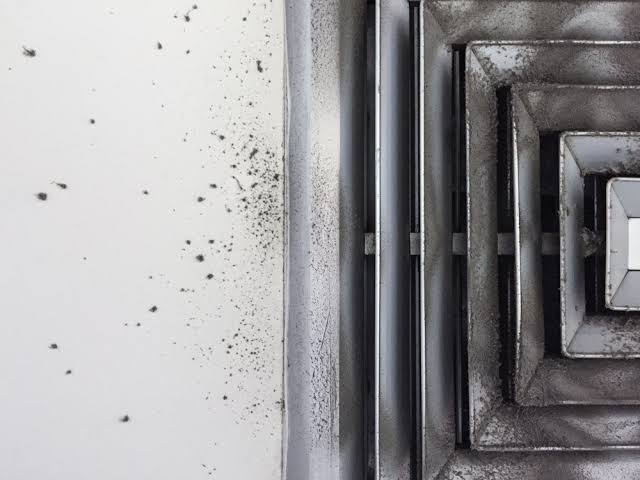
The winter holiday season brings a welcome glow to neighborhoods everywhere; twinkling string lights along eaves, cedar wreaths on front doors, simmering pots of spiced cider on the stove, and roaring fires in the hearth. Yet behind all that festive warmth lies a sobering reality that every firefighter and ventilation specialist knows all too well: residential fire incidents spike sharply between Thanksgiving and New Year’s Day. While open candles and overloaded extension cords rightfully get plenty of public attention, one of the most dangerous fire hazards in homes, hotels, and commercial kitchens sits quietly behind the laundry room drywall, silently collecting fuel all year long.
Why Holiday Cheer Creates a Perfect Storm for Vent Fires
During the holidays, every household and hospitality business runs at double speed. Guest bedrooms fill up with visiting relatives, holiday dinner parties produce mountains of cloth napkins and tablecloths, and chilly weather means everyone is bundling up in thick sweaters, fleece blankets, and heavy robes. Your clothes dryer barely gets a break from morning until midnight, cycling load after load of high-shedding winter fabrics while kitchen ovens and space heaters simultaneously tax your building’s electrical and gas infrastructure.
Inside your dryer’s exhaust system, every single load pushes microscopic cellulose fibers past the lint trap and into the duct run. Unlike fiberglass insulation or sheet metal, dry clothes lint is pure, finely aerated kindling; essentially the exact same material backcountry campers pack in waterproof tins to spark a campfire in the rain. When continuous holiday laundry pushes exhaust temperatures upward through a narrowed, lint-choked pipe, all it takes is a single overheated heating element or stray spark from a worn belt motor to ignite that trapped fuel in seconds.
The Anatomy of a Dryer Exhaust Fire Behind Your Walls
Most people picture a dryer fire starting inside the metal drum where they can see smoke right away, but the reality is far stealthier. As lint accumulates along the interior walls of the exhaust pipe—especially around crimped elbows, roof caps, and long horizontal runs; the cross-sectional diameter of the duct shrinks dramatically. When airflow slows down, heat cannot escape outside the building. Instead, scorching exhaust air backs up into the dryer’s heater box and ignition chamber.
Even though modern dryers feature thermal cutoff switches designed to shut off heat when temperatures climb too high, constant cycling wears those components down. Once a spark or superheated ember enters the transition duct, the fire travels rapidly along the continuous trail of dry lint hidden inside walls, floor joists, or attic spaces. Because the flames are enclosed inside sheet metal or foil ducting, smoke alarms in the hallway often do not sound until the fire has already burned through the duct wall into surrounding structural framing. Taking proactive steps toprevent dryer vent fires before holiday guests arrive eliminates that hidden fuse before it ever has a chance to light.
Subtle Warning Signs You Should Never Brush Off
Before an exhaust line reaches a critical flashpoint, it almost always drops clear hints that trouble is brewing. Pay close attention if your laundry room suddenly smells faintly sweet or scorched whenever the dryer runs, that distinct odor is lint beginning to toast inside the heater housing or transition pipe. If you notice black soot marks around the edges of your lint screen, inside the drum, or staining the siding beneath your exterior vent hood, small localized flare-ups may already be occurring inside the line.
Another red flag is an exhaust duct configuration that violates modern mechanical codes. Many older homes and hasty renovations still rely on coiled white plastic hoses or thin accordion-style mylar ducts behind the machine. Not only do those corrugated ridges trap massive amounts of lint, but thin foil and plastic melt or burn almost instantaneously if a flare-up happens. Replacing crushed flexible tubing with smooth, rigid 26-gauge aluminum or galvanized steel ducting drastically improves airflow while providing an essential non-combustible barrier.
Holiday Guests, Pet Hair, and Extra Laundry Challenges
If you host family members who bring their dogs along for the holidays, or if you manage short-term vacation rentals and boutique inns, your lint buildup rate multiplies overnight. Pet hair acts like microscopic velcro inside an exhaust pipe, snagging passing cotton and wool fibers and weaving dense mats across damper hinges and roof screens. Within just a few weeks of heavy guest turnover, an exhaust line that looked fine in October can become eighty percent obstructed by mid-December.
Commercial property owners face similar seasonal surges, whether in fitness clubs laundering extra winter towels, salons washing capes, or restaurant kitchens drying bar mops and aprons. Oil-stained kitchen towels pose an extra hazard: even after washing, trace cooking oils trapped in warm fabric fibers can undergo spontaneous exothermic oxidation inside a hot, poorly ventilated dryer drum. Keeping both the appliance interior and the entire length of the exhaust duct spotless is mandatory for safe holiday operations.
How Technician-Grade Inspection Protects Your Property
A thorough pre-holiday safety inspection goes far beyond glancing at the wall connection behind your washer and dryer. When a trained technician evaluates an exhaust system, we trace the entire path from the blower housing all the way to the exterior roof jack or wall cap. Using specialized rotary brushes paired with high-suction containment vacuums, we scour every linear foot of pipe, clearing out caked lint from vertical risers, attic offsets, and exterior screens without leaving mess behind in your laundry room.
We also inspect the exterior termination cap to ensure there are no bird nests, wasp combs, or aftermarket wire mesh cages installed over the opening. While hardware-store rodent cages seem like a clever way to keep critters out, fine wire mesh catches wet lint almost immediately, creating one of the fastest-forming fire hazards we see in the field. A proper gravity-fed or magnetic-latching damper hood keeps wildlife out while letting lint blow freely clear of the building.
Peace of Mind Is the Best Gift on Your Holiday List
You spend weeks planning menus, wrapping presents, and making sure your home or business feels warm and welcoming for everyone walking through the door. Giving your dryer exhaust system a clean bill of health takes less than an hour of professional attention, yet it protects your property, your loved ones, and your peace of mind throughout the busiest season of the year. Do not let hidden lint turn festive laundry days into an emergency call; schedule a comprehensive dryer vent inspection and cleaning before the holiday rush begins.