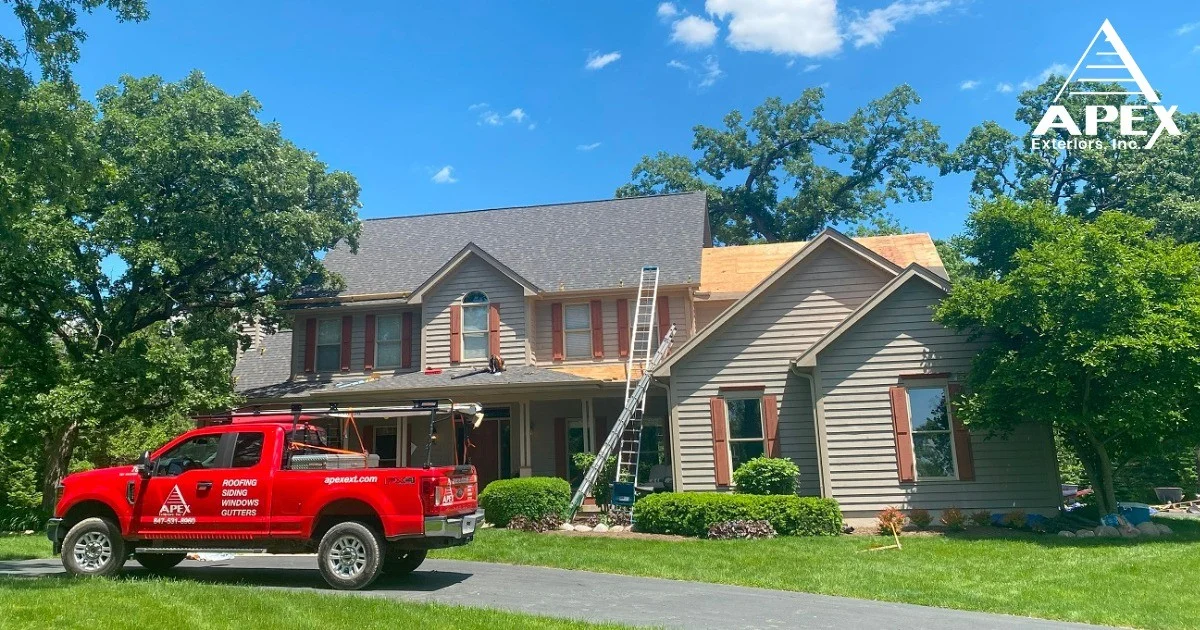
It’s funny how quickly we notice a scratch on the living room floor but barely pay attention to a loose piece of siding outside. Perhaps it’s because we spend most of our time indoors. Whatever the reason, exterior maintenance often gets pushed aside until something starts leaking, breaking, or looking noticeably worn.
For homeowners in Minnesota, the changing seasons make exterior upkeep particularly important. Heavy snowfall, spring rain, summer thunderstorms, and fluctuating temperatures can gradually wear down even durable building materials.
Taking care of your home’s exterior isn’t simply about maintaining appearances. It’s about protecting the structure underneath, keeping your living space comfortable, and avoiding repairs that could have been prevented with a little attention.
Knowing When Your Home Needs Exterior Repairs
Not every crack, stain, or faded surface requires immediate replacement. However, understanding which warning signs deserve attention can save homeowners considerable trouble.
Loose siding panels, missing shingles, peeling exterior paint, and persistent moisture stains may indicate that something needs investigating.
Experienced home exterior repair contractors can help identify the underlying causes of these issues rather than simply addressing what’s visible on the surface.
For example, damaged siding might appear to be a cosmetic concern, but moisture could have reached the materials underneath. Similarly, a small ceiling stain may be connected to deteriorating roof flashing rather than widespread roofing failure.
A thorough assessment helps homeowners understand which repairs are urgent and which improvements can reasonably wait.
That distinction matters, especially when you’re working with a limited renovation budget.
Why Your Roof and Gutters Should Work Together
Your roofing system and gutters share an important responsibility: managing water before it damages your property.
A dependable roof directs rainwater and melting snow toward the edges of your home. Gutters and downspouts then carry that water away from exterior walls and vulnerable foundation areas.
Professional roof and gutter services can help maintain this relationship by addressing damaged shingles, deteriorating flashing, loose gutters, and ineffective drainage arrangements.
When one component stops functioning properly, the other may struggle to provide adequate protection.
Imagine replacing your roofing materials but leaving damaged gutters untouched. Rainwater could still overflow near your siding or collect around the foundation.
It’s worth considering these components as parts of one protective system rather than completely separate home improvement projects.
Giving Your Home’s Exterior a Fresh Look
There’s something rewarding about seeing an older property regain its character through thoughtful renovations.
Sometimes, a different siding color, updated trim, or attractive roofing material can change the entire appearance of a house without requiring major architectural modifications.
Working with exterior home renovation specialists allows homeowners to explore improvements that balance visual appeal with durability, maintenance requirements, and practical performance.
A professional may suggest materials that complement your home’s existing design while addressing its exposure to weather.
For instance, a traditional Minnesota home might benefit from textured siding and contrasting trim, while a more contemporary property could look refreshed with neutral colors and understated finishes.
You don’t necessarily need to follow the latest design trends. Choosing something that feels right for your property often produces a more satisfying long-term result.
Choosing Exterior Materials With Long-Term Value in Mind
Shopping for renovation materials can be enjoyable until you start comparing prices, warranties, maintenance requirements, and installation details. Suddenly, what seemed like a straightforward decision becomes considerably more complicated.
Asphalt shingles, metal roofing, vinyl siding, and fiber cement products each offer different characteristics and advantages.
Some materials appeal to homeowners because of their relatively straightforward maintenance. Others offer distinctive textures or architectural details that create a more personalized appearance.
Consider how much time you’re realistically willing to spend maintaining your exterior.
A beautiful finish that requires frequent upkeep might not suit someone with a demanding work schedule.
It’s also worth remembering that installation quality matters enormously. Even durable materials can develop problems when they’re improperly installed or inadequately protected against moisture.
Does Exterior Renovation Help Improve Indoor Comfort?
Absolutely, when the improvements address the right problems.
Older properties sometimes experience uncomfortable drafts, inconsistent indoor temperatures, or moisture-related concerns because of deteriorating exterior components and inadequate insulation.
Replacing damaged siding creates an opportunity to examine underlying weather barriers and insulation. Addressing gaps around windows and improving air sealing may also help reduce unwanted heat loss.
For households facing Minnesota’s particularly cold winters, these improvements can make a meaningful difference in everyday comfort.
However, energy efficiency benefits depend on the property’s original condition and the quality of the renovation work.
Rather than assuming new materials will automatically lower utility expenses, discuss specific opportunities for improvement with your contractor.
Getting Your Renovation Budget Under Control
Home improvements have a habit of becoming more expensive than initially expected. One project leads to another, and suddenly, you’re considering upgrades that weren’t part of the original plan.
Start by separating essential repairs from cosmetic preferences.
Address active leaks, moisture intrusion, and damaged protective components before spending money on purely decorative changes.
Request detailed written estimates that explain labor costs, materials, warranty coverage, and potential additional expenses.
Verifying contractor licensing, insurance, and previous work is equally important.
A well-organized renovation plan can help you avoid financial surprises while ensuring your money goes toward improvements that genuinely benefit your property.
Protecting the Place You Call Home
Your home’s exterior works quietly throughout the year, facing everything from freezing temperatures to heavy summer rainfall.
Giving it regular attention doesn’t mean constantly investing in expensive upgrades. Sometimes, timely repairs and sensible maintenance are enough to keep everything performing as intended.
When larger renovations become necessary, choose dependable professionals, durable materials, and improvements that suit your long-term plans.
After all, a well-maintained home offers more than attractive curb appeal. It provides comfort, protection, and the reassuring feeling that the place you’ve worked hard to build is ready for whatever the next season brings.