There’s a quiet assumption most of us make—we turn on the tap and trust what comes out. It looks clear, tastes… fine enough, and we move on. But water, as simple as it seems, carries a story beneath the surface. Minerals, chemicals, sometimes even traces of things you’d rather not think about. And once you start noticing the little signs—dry skin, strange odors, that stubborn film on your dishes—it becomes hard to ignore.
The truth is, water quality isn’t just about safety. It’s about comfort, health, and the small everyday experiences that shape how your home feels.
What’s Really in Your Water?
Let’s be honest—most of us don’t actually know what’s in our water. Municipal systems do their best, sure, but by the time water travels through miles of pipes, things can change. Old plumbing, sediment buildup, local contaminants—they all play a role.
Hard water, for instance, is incredibly common. It’s packed with minerals like calcium and magnesium. Not dangerous, but annoying. You’ll see it in your appliances, your shower glass, even your hair.
Then there are less visible concerns. Chlorine, used for disinfection, can leave a lingering taste. In some areas, iron or sulfur can sneak in, bringing along metallic or rotten egg smells. None of this sounds particularly appealing when you think about it too long.
That’s where modern water treatment solutions come into play—not as a luxury, but as a practical upgrade to your everyday life.
The Subtle Signs You Shouldn’t Ignore
Sometimes, your water doesn’t scream for attention—it whispers.
Your soap doesn’t lather quite right. Laundry feels stiff even after a wash. Your coffee tastes slightly off, though you can’t quite explain why. These are the small, easy-to-dismiss signals that something’s not quite balanced.
And then there are the bigger ones. Scale buildup on faucets. White residue on dishes. Dry, itchy skin after showers. Over time, these things add up—not just in inconvenience, but in maintenance costs and wear on your home.
It’s funny how we adapt to these issues, almost normalizing them. But once you experience better water, it’s hard to go back.
Starting with a Simple Test
If there’s one step that makes everything clearer, it’s understanding your water at its source.
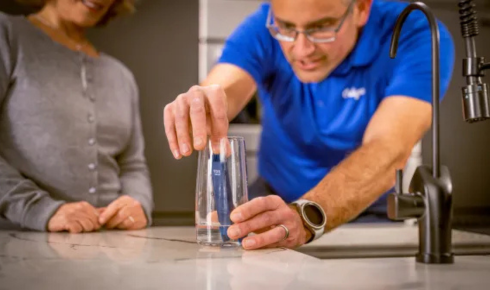
A free water test can reveal more than you might expect. It breaks down exactly what’s present—hardness levels, chlorine content, possible contaminants. No guesswork, no assumptions.
And honestly, it’s a bit eye-opening. Many homeowners are surprised by what they find, not because their water is unsafe, but because it’s far from ideal.
Once you have that information, decisions become easier. You’re no longer choosing blindly—you’re solving a specific problem.
Tailoring the Right Approach
There isn’t a one-size-fits-all answer when it comes to water. What works for one household might not make sense for another.
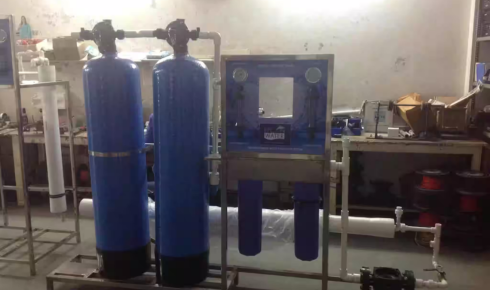
Some homes benefit from softening systems that tackle mineral buildup. Others might need filtration systems designed to remove chlorine, sediment, or even more complex contaminants.
The key is customization. Not overcomplicating things, but addressing what actually matters for your water supply.
It’s a bit like adjusting your diet once you know what your body needs. You don’t overhaul everything—you make smarter, targeted choices.
The Case for Whole-Home Solutions
While point-of-use filters—like those attached to faucets—can help, they only cover part of the picture. Water flows through your entire home, after all.
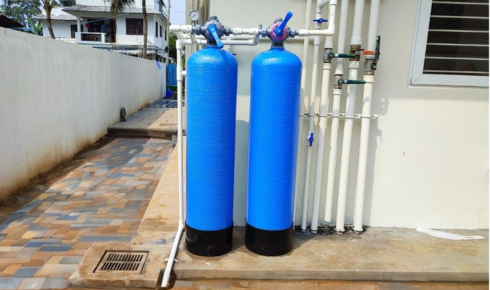
That’s where whole-home filtration systems stand out. They treat water at the entry point, meaning every tap, every shower, every appliance benefits from cleaner, balanced water.
You notice it in ways you didn’t expect. Softer towels. Longer-lasting appliances. Even your skin and hair feel different—less dry, more natural.
It’s not dramatic or flashy. Just… better.
Everyday Benefits That Add Up
The real impact of improved water isn’t always obvious at first. It shows up gradually.
Your water heater runs more efficiently without scale buildup. Your plumbing stays cleaner. Cleaning products work better, so you use less. Even your energy bills can shift slightly, thanks to improved efficiency.
And then there’s the comfort factor. Showers feel more refreshing. Drinking water tastes cleaner. Cooking becomes more enjoyable because flavors aren’t masked by unwanted elements.
These are the quiet wins that make a home feel more like, well, home.
A Small Change with Lasting Impact
It’s easy to put off thinking about water quality. After all, it’s not as visible as a new appliance or a fresh coat of paint. But in many ways, it’s more fundamental.
Water touches nearly every part of your daily routine. Improving it doesn’t just fix a problem—it enhances the background of your life in subtle, meaningful ways.
And maybe that’s the point. Not everything needs to be a big, dramatic upgrade. Sometimes, the most valuable changes are the ones you feel more than you see.
Final Thoughts
If you’ve ever wondered whether your water could be better, that’s probably your answer right there.
Start small. Get it tested. Pay attention to the signs your home is already giving you. Because once you understand what’s happening behind the scenes, the path forward becomes surprisingly clear.
Better water isn’t about perfection. It’s about making everyday life just a little easier, a little healthier—and a lot more comfortable.