There’s something deeply comforting about pouring a glass of water and knowing—without second-guessing—that what you’re drinking is clean, safe, and good for your body. We tend to take that for granted, especially if we’re used to living in places where tap water “tastes fine.” But scratch beneath the surface, and the reality is, not all water is created equal. That morning coffee, your child’s sippy cup, your pasta pot—all rely on the quality of your home’s water.
Over the last decade, there’s been a surge in awareness around what’s really flowing through our pipes. Hard minerals, chlorine, sediment, even microscopic pollutants—these aren’t just buzzwords; they’re real concerns for families across the world. And with that awareness comes the growing need to understand what water solutions are worth our time, money, and trust.
When Water Isn’t Just Water
Let’s be real: if you’ve ever run your hand through your hair after a shower and felt it stiff and dry, or noticed white, chalky build-up around your faucet, chances are you’ve met hard water. It’s not dangerous in the “boil your water before using it” kind of way—but over time, hard water can wear down your appliances, dull your laundry, and turn skin dry as sandpaper. That’s where soft water systems come into play. These systems remove excess calcium and magnesium from the water, replacing them with sodium or potassium ions, resulting in water that’s gentler on your skin, your plumbing, and, frankly, your peace of mind.
But not every home needs a softener. Some areas have naturally soft water already. That’s why understanding the specific issues your home faces is step one. No one likes throwing money at a solution to a problem that doesn’t exist.
The Bigger Picture: What Else Is Lurking?
Now let’s zoom out. While hard water is more of a nuisance than a threat, water contamination is no joke. We’ve all seen news stories about lead, PFAS, or bacteria getting into public water supplies. It’s a disturbing reminder that clarity in water doesn’t always equal purity.
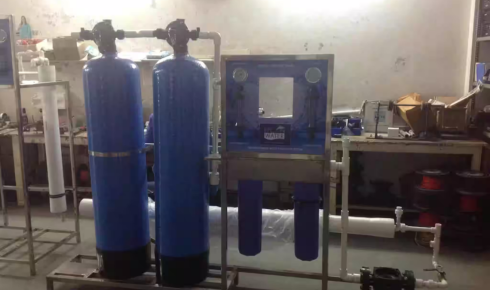
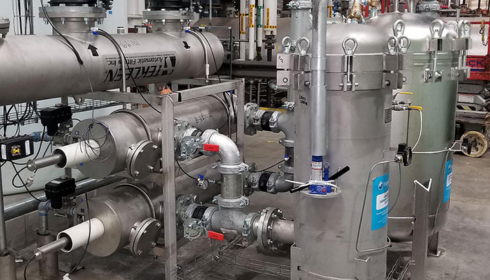
That’s where water purification comes into the picture. It’s a broad term—kind of like saying “getting healthy.” There are multiple routes: carbon filtration, UV light sterilization, reverse osmosis, distillation. Some methods are great at removing chlorine and improving taste. Others target viruses and bacteria. Reverse osmosis, in particular, is the overachiever in the room—capable of removing up to 99% of dissolved salts, particles, organics, and more. But it can also waste water and strip out beneficial minerals unless re-mineralized.
Here’s the truth: there is no one-size-fits-all system. What works for your neighbor may not work for your kitchen. That’s why water testing—actual, lab-quality testing—is the smart first step before committing to a purification method.
Everyday Hydration, But Smarter
Sometimes the simplest pleasures—like a crisp glass of water—shouldn’t require so much thinking. Yet with rising awareness and health consciousness, we’ve become more intentional about what we put into our bodies. Enter the growing world of drinking water systems.
Unlike whole-house filtration setups that treat every drop from every tap, drinking water systems are designed for point-of-use—typically under the kitchen sink, or as a countertop unit. Think compact reverse osmosis units, multi-stage filters, or alkaline water machines. These systems are laser-focused on turning tap water into clean, great-tasting drinking water without the need to buy plastic bottles by the case.
And let’s talk about that for a moment. Bottled water, while convenient, is a short-term fix for a long-term problem. It’s expensive, environmentally problematic, and often no better than filtered tap water. A thoughtfully chosen drinking water system not only saves money in the long run but also helps reduce your environmental footprint. Win-win.
Real Life, Real Use
Let’s step away from technical jargon for a sec and talk about everyday life. You wake up, brew coffee, fill the dog’s bowl, rinse some fruit, prep a protein shake. You shower, wash dishes, maybe soak in a warm bath. Every one of these moments involves water—directly or indirectly.
Now imagine every one of those moments becoming just a little better. Coffee tastes fuller. Skin feels softer. The baby’s formula is made with water you completely trust. That’s the promise of integrating better water systems into your home—it’s not just about solving a problem; it’s about enhancing your everyday experience.
That’s the part people often overlook when comparing units and filters: the lived experience. How easy is it to install? Is the maintenance frequent? Are the replacement filters affordable and easy to find? Does it integrate with smart home features? Is it kid-safe?
These aren’t afterthoughts—they’re part of what makes a system worthwhile in the long run.
Making the Choice Without Regret
There are hundreds of products out there. From budget-friendly pitchers to high-end, whole-home systems with tech bells and whistles. It’s easy to feel overwhelmed.
But here’s the thing: you don’t need the fanciest solution. You need the right one. That might be a simple carbon filter for city water, or a combination softener and RO system for a well-fed home in a hard water region. You might only need a faucet filter, or you may benefit from an advanced, multi-stage purifier.
And sure, the process might seem confusing at first. But you don’t have to figure it out alone. Water quality professionals can test your supply and help recommend the best solution for your home, family, and budget. Even many reputable online sellers now offer free water tests or consultations.
The Final Pour
We live in an age where health and wellness are trending topics—and for good reason. But amidst the noise about superfoods, fitness fads, and biohacks, clean water remains the most basic, essential element of health. It nourishes, detoxifies, and sustains.
Investing in better water isn’t just a home upgrade—it’s a quality-of-life upgrade. Whether you’re tired of scale buildup, concerned about unseen contaminants, or just want water that tastes as refreshing as it should, the journey starts with awareness—and ends with action.
So, here’s to better sips, cleaner showers, brighter laundry, and peace of mind. Because when the water’s right, everything else just flows a little easier.