There’s a funny thing about water. When it’s good, you barely notice it. It’s just there—quietly doing its job, filling glasses, running showers, boiling pasta. But when something’s off, even slightly, it suddenly becomes impossible to ignore.
A faint taste. A strange smell. Maybe your skin feels a bit dry after a shower, or your morning tea doesn’t taste quite right. It’s subtle, but it sticks with you.
And that’s usually where the questions begin.
When Water Quality Becomes Personal
For most people, water isn’t just about hydration. It’s woven into daily routines in ways we rarely think about. It’s in the coffee you sip half-asleep, the vegetables you rinse, the laundry you fold later in the day.
So when quality dips—even a little—it feels personal.
That’s why more homeowners are turning to clean safe water experts to figure out what’s actually going on. Not because something dramatic happened, but because something feels… off. And instinctively, we know it matters.
The truth is, water can carry a lot more than we expect—minerals, sediments, even trace contaminants. And while not all of it is dangerous, it can still affect taste, smell, and long-term use.
Sometimes, getting clarity is less about solving a crisis and more about understanding what you’re working with.
The Quiet Shift Toward Better Home Water
There’s been a noticeable shift over the years. People are paying more attention to what they consume—and water is no exception.
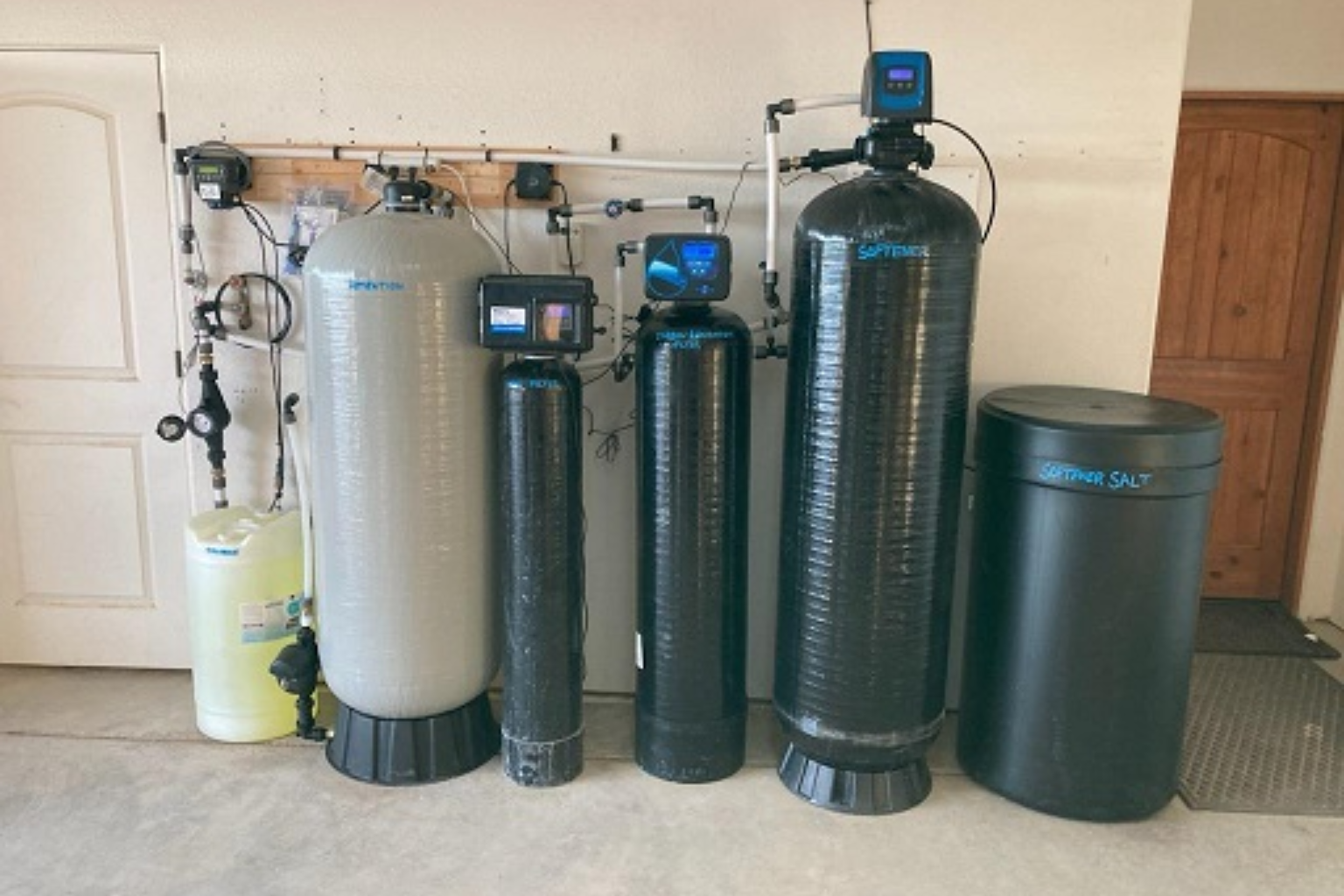
This is where residential water treatment comes into the picture, not as a luxury, but as a practical step toward better living. It’s not about overcomplicating things or installing elaborate systems just for the sake of it. It’s about addressing specific concerns in a way that fits your home.
Maybe it’s a simple filtration unit under the sink. Maybe it’s a whole-house system that tackles multiple issues at once. Either way, the goal is the same: to make water feel reliable again.
And honestly, once you experience that difference, it’s hard to go back. The taste improves. Appliances run smoother. Even everyday tasks feel a bit easier.
It’s not dramatic—it’s just better.
Water at Scale: A Different Kind of Challenge
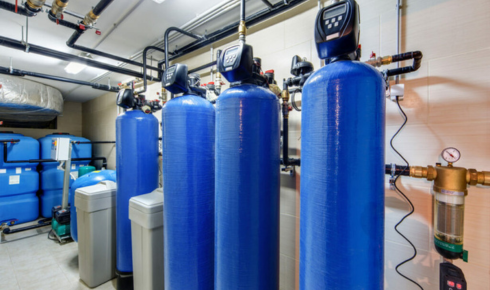
Now, take that same idea and expand it beyond a home. Think about offices, restaurants, manufacturing spaces—places where water isn’t just a convenience but a core part of operations.
That’s where commercial systems come into play, and they operate on a completely different level. The stakes are higher. The demand is constant. And the margin for error? Pretty slim.
In these settings, water quality isn’t just about comfort—it’s about consistency, safety, and sometimes even compliance. A restaurant can’t afford inconsistent water for cooking. A facility can’t risk buildup damaging expensive equipment.
So the systems are designed with precision, tailored to handle volume and specific requirements. It’s less about preference and more about necessity.
Why Most People Wait Too Long
Here’s the thing—water issues rarely shout for attention. They whisper.
A slight change in taste becomes normal. A bit of scale buildup feels like a cleaning problem, not a water problem. And before you know it, months—or even years—have passed without addressing the root cause.
Part of it is human nature. If something isn’t broken in an obvious way, we tend to leave it alone. But water quality doesn’t always follow that rule. It can affect things gradually, quietly, until the impact becomes noticeable enough to act on.
And by then, it’s often more complicated than it needed to be.
Finding What Actually Works for You
If you’re thinking about improving your water, the key isn’t to chase the most advanced system out there. It’s to find something that makes sense for your specific situation.
Start with a simple question: What’s bothering you about your water?
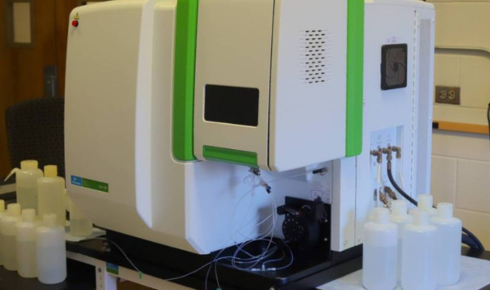
Is it the taste? The smell? The way it feels on your skin? Once you identify that, the path forward becomes clearer. A water test can help confirm your suspicions, giving you a solid starting point.
From there, it’s about choosing solutions that address those issues directly—nothing more, nothing less.
Because in the end, good water isn’t about complexity. It’s about consistency.
The Small Things That Make a Big Difference
There’s something surprisingly satisfying about turning on the tap and not thinking twice. No hesitation. No second-guessing. Just clean, clear water doing exactly what it’s supposed to do.
You notice it in little ways. The way your coffee tastes richer. The way your shower feels more refreshing. Even the way your dishes come out cleaner, without spots or residue.
It’s not life-changing in a dramatic sense. But it adds up.
And sometimes, that’s enough.
A Final Reflection
Water is one of those things we take for granted until we can’t. It’s easy to assume it’ll always be fine, always consistent, always there without question.
But when something shifts—even slightly—it’s worth paying attention.
You don’t need to rush into big decisions or overhaul your entire setup overnight. Just start by noticing. Ask questions. Explore options.
Because when your water feels right again, you’ll realize how much it quietly shapes your everyday life.
And maybe, just maybe, you’ll appreciate it a little more than before.