It’s funny how we overlook the most basic things. Water, for example. We drink it, cook with it, shower in it—every single day. And yet, most of us rarely stop to ask what’s actually in it.
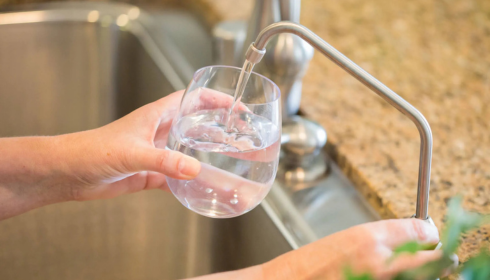
I didn’t either. Not until one evening when a glass of water tasted… off. Not terrible, just slightly metallic, like something didn’t belong there. I shrugged it off at first. Blamed the glass. The tap. Maybe even my mood.
But that small moment stuck with me longer than I expected.
When Curiosity Turns Into Something More
The next morning, I found myself noticing things I hadn’t before. The faint smell when I filled a bucket. The white marks on utensils after drying. Even my skin—feeling a bit tighter after showers than it used to.
Nothing dramatic. Just enough to make me curious.
That curiosity is often where the journey begins. You don’t wake up one day thinking, “I need to fix my water.” It starts with small observations that slowly add up.
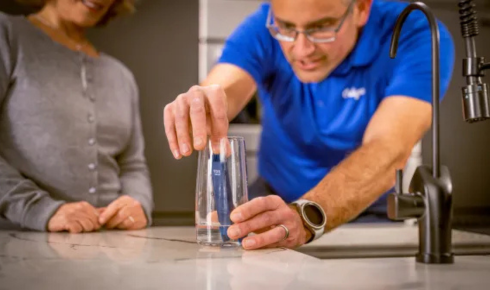
That’s when I first came across the idea of free water testing. And honestly, it sounded almost too simple. Why hadn’t I thought of that before? Instead of guessing, instead of assuming, you actually check what’s going on.
It’s a bit like going for a health check-up. You might feel fine, but it’s still good to know what’s happening beneath the surface.
Understanding What You’re Dealing With
Getting your water tested isn’t about being overly cautious—it’s about clarity. Because water issues aren’t always obvious. Some contaminants don’t have a taste or smell. They’re invisible, which somehow makes them more unsettling.
Once you get into water condition analysis, things start to make sense in a way they didn’t before. You begin to understand hardness levels, mineral content, maybe even the presence of things like chlorine or dissolved metals.
It’s not about becoming a scientist overnight. You don’t need to memorize technical terms or read complicated charts. It’s more about connecting the dots.
That dry skin? Could be hard water.
That odd taste? Possibly dissolved impurities.
That scaling on your taps? Definitely minerals building up over time.
And suddenly, those small annoyances don’t feel random anymore.
It’s Not Always About Big Problems
One thing I realized during this whole process is that not every water issue is a crisis. Sometimes, your water is mostly fine—with just a few things slightly out of balance.
But even small imbalances can affect your daily life in ways you don’t immediately notice.
For instance, reducing certain impurities can make your drinking water feel lighter, more refreshing. Adjusting mineral levels can improve how your soap lathers or how your clothes feel after washing.
This is where the idea of contaminants reduction comes into play. Not in an extreme, over-the-top way. Just enough to bring things back to a comfortable, usable level.
It’s about improving—not overcorrecting.
The Everyday Impact You Don’t Expect
Here’s the part that surprised me the most: once your water improves, it quietly enhances everything else.
Your morning tea tastes cleaner. Your skin feels more balanced after a shower. Your appliances—things you rarely think about—start performing better.
Even cleaning becomes easier. Less residue, fewer streaks, less effort overall.
But the real change? It’s mental.
You stop second-guessing. You stop wondering if something’s wrong. There’s a certain peace in knowing that what you’re using every day is, well… right.
Why We Tend to Ignore It
If water plays such a big role, why do we ignore it?
I think it’s because it doesn’t demand attention. It’s not like a broken appliance or a leaking pipe. Water issues are subtle. They don’t shout—they whisper.
And in a busy life, whispers are easy to miss.
We focus on visible upgrades—new furniture, better gadgets, fresh paint. But the invisible stuff? The things that actually affect how we feel day-to-day? Those often get pushed aside.
Until something nudges us to look closer.
Starting Small, Without Overthinking
If you’re reading this and thinking, “Maybe I should check my water,” that’s already a good start.
You don’t need to overhaul your entire home system overnight. Just begin with awareness. Get your water tested. Understand what you’re dealing with.
From there, the next steps become clearer. Maybe you need a simple filtration system. Maybe you just need to address hardness. Or maybe—just maybe—your water is already fine, and you gain peace of mind knowing that.
There’s no pressure to fix everything at once. It’s not a race.
A Quiet Change That Stays With You
Improving your water isn’t something you’ll show off. It’s not a conversation starter. No one walks into your home and says, “Wow, your water quality is amazing.”
But you’ll know.
You’ll feel it in small, consistent ways—every day, without thinking about it. And those small improvements? They add up to something bigger than you’d expect.
Looking back, it all started with a slightly odd-tasting glass of water. Nothing dramatic. Just enough to make me pause.
Sometimes, that’s all it takes.