
A renovation project can look exciting on paper. You picture the fresh paint, the new kitchen cabinets, or that long-overdue garden makeover. Then the work begins, and suddenly there are broken tiles, old furniture, packaging, timber scraps, and piles of debris taking over the space. Even a straightforward home cleanout can produce far more waste than expected.
The same thing happens on construction sites, during office relocations, and when businesses clear out storage areas. Getting rid of unwanted material isn’t always the most interesting part of a project, but it can make a real difference to how smoothly everything runs. With a little planning and the right equipment, cleanup becomes much easier to manage.
Start With a Clear Picture of the Job
Before arranging a container or booking a collection, take a few minutes to assess what needs to go. It sounds obvious, yet this simple step is often skipped when people are eager to get started.
A bathroom remodel may generate concrete fragments, tiles, fixtures, and timber. A garage cleanout might involve cardboard boxes, worn-out furniture, household clutter, and old shelving. Meanwhile, a roofing project can produce heavy, bulky debris that requires a different approach from ordinary household rubbish.
Make a rough estimate of the amount and type of material involved. You don’t need to calculate every board or broken tile, but knowing whether you’ll have a few bags of rubbish or several truckloads helps you choose a suitable disposal option. It also reduces the chance of paying for a container that’s too large—or discovering halfway through the job that the one you’ve ordered is already full.
Think about access, too. Is there a suitable place for a container? Can delivery equipment reach the property without blocking traffic or damaging landscaping? On commercial sites, consider where workers, delivery vehicles, and customers need to move throughout the day.
These details may seem minor at first. They become much more important when a project is underway and everyone is trying to work around a growing pile of debris.
Choosing the Right Dumpster for Your Project
One of the easiest ways to handle substantial amounts of waste is to use a container designed for the job. The appropriate size depends on the volume, weight, and type of material, along with the available space at the property.
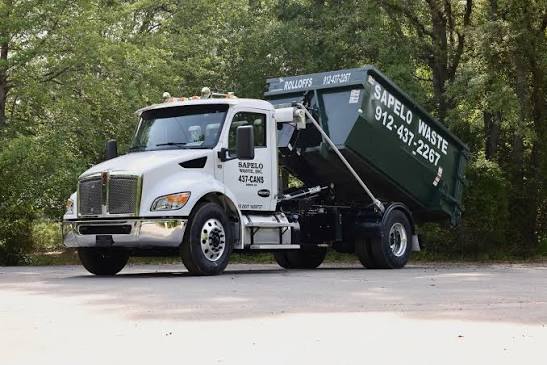
For homeowners, roll-off dumpster rentals can be useful during renovations, major cleanouts, landscaping projects, and other jobs that generate more waste than a standard household bin can accommodate. A container delivered to the property gives workers somewhere convenient to place debris as the project progresses, rather than allowing unwanted material to accumulate in walkways or work areas.
Size matters, but bigger isn’t automatically better. A large container may be helpful for a major renovation, while a smaller one could be more practical for clearing out a shed or replacing a few rooms of flooring. Ask the provider which sizes are available and explain the type of material you’ll be disposing of. Their guidance can help you avoid ordering based on guesswork alone.
Weight limits deserve just as much attention as capacity. Soil, concrete, brick, and roofing materials can become heavy quickly, even when they don’t fill the entire container. Some providers have restrictions on particular materials, so confirm what can be accepted before loading begins.
It’s also wise to ask about the rental period. A short project may need only a few days, whereas a larger renovation could take several weeks. Knowing the collection arrangements in advance makes scheduling easier and helps prevent unexpected extension charges.
Why Responsible Waste Handling Matters
Waste doesn’t simply disappear once it leaves a property. It must be transported, sorted, processed, recycled, or disposed of according to the applicable rules. The way materials are handled can affect local environments, public spaces, and the resources used to manufacture new products.
Good waste management starts with separating materials where practical and understanding which items can be recycled. Cardboard, certain metals, clean wood, and some construction materials may be recoverable, depending on local facilities and contamination levels. Keeping recyclable items separate can make processing easier, although the provider’s specific requirements should always take priority.
Not every item belongs in a general-purpose dumpster. Batteries, chemicals, paint, oils, electronics, tires, and other restricted materials may require separate handling. Asbestos-containing products and other hazardous construction materials can have especially strict requirements. Never assume that something is acceptable simply because it fits inside the container.
If you’re managing a renovation, speak with your contractor about how debris will be sorted and removed. For businesses, a written disposal plan can help employees understand where materials should go and reduce confusion when several teams share the same site.
Responsible handling also supports safety. Loose debris, sharp metal edges, broken glass, and protruding nails can create hazards for workers and anyone moving around the property. Keep loading areas organised, avoid overfilling containers, and follow the provider’s instructions about safe loading and placement.
Planning Delivery and Collection Around Your Schedule
A container is most useful when it arrives at the right time. Ordering too early can leave it occupying valuable space for days before work begins. Ordering too late may force workers to pile debris elsewhere or interrupt progress while waiting for a delivery.
Try to coordinate delivery with the first stage of the project that will generate substantial waste. If several contractors are involved, confirm when each team expects to begin and whether they will need access to the same area.
Placement should be considered before the delivery vehicle arrives. A driveway may be convenient, but it might also be needed for other vehicles. On a commercial property, placing a container near the work area can reduce carrying distances, provided it doesn’t interfere with emergency access, pedestrian routes, or normal operations.
Collection planning matters just as much. If the container fills faster than expected, find out whether a swap or additional pickup can be arranged. For projects with tight deadlines, this can help prevent debris from slowing down the next stage of work.
Weather may also affect your plans. Rain can make some materials heavier, while strong winds can scatter lightweight debris. Covering suitable materials and keeping the area tidy can help, but always follow the container provider’s safety guidance.
Understanding Costs Before You Book
The advertised rental price is only one part of the total cost. Container size, rental duration, delivery distance, disposal fees, material type, and weight limits may all influence the final amount. Some providers also charge additional fees when prohibited items are placed inside or a container exceeds its permitted weight.
Before making a decision, ask for a free quote that clearly explains the expected charges and what the service includes. Provide an honest description of your project, including the main materials you’ll be disposing of and how long you expect the container to remain on-site.
Compare quotations carefully. One company may include delivery, collection, and a certain disposal allowance in its price, while another may list those costs separately. Looking only at the starting figure can make a seemingly cheaper option less attractive once the details are added.
Ask about overage charges, prohibited materials, rental extensions, and cancellation terms. Clear answers now are much better than unpleasant surprises after the work is finished.
Make Cleanup Part of the Plan, Not an Afterthought
A clean, organised site is easier to work on. People can move around more safely, materials are easier to locate, and the next stage of a project can begin without first clearing away yesterday’s mess.
Whether you’re updating a home, managing a construction project, or clearing out a commercial property, take time to estimate the waste, select an appropriate container, and understand the disposal rules. A few sensible decisions at the beginning can save hours of extra work later.
Waste removal may not be the most exciting part of any project, but it doesn’t have to be the most frustrating, either. With realistic planning, clear pricing, and responsible disposal practices, you can keep the work moving and finish with a space that’s ready for whatever comes next.
