
Most people don’t think about their water until something feels… off. Maybe it’s the way your coffee tastes slightly bitter no matter which beans you buy. Maybe your skin feels tight after a shower, or white chalky marks keep reappearing on faucets you just cleaned yesterday. None of these things scream “emergency,” so they’re easy to ignore. But taken together, they tell a quiet story about what’s happening behind your walls.
Water has a way of blending into the background of daily life. It’s there when you wake up, there when you cook, there when you clean up at night. Because it’s constant, we assume it’s fine. Yet small changes in water quality often show up long before any major issue does. The trick is knowing how to notice them—and what to do next.
When Curiosity Is the Smartest First Step
There’s a moment when annoyance turns into curiosity. You realize the problem isn’t your soap or your detergent or even your plumbing skills. It’s the water itself. That realization doesn’t mean you need to panic or commit to expensive upgrades right away. It simply means it’s time to learn more.
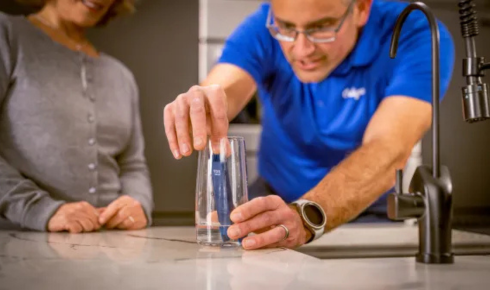
This is why many homeowners choose to schedule free water test appointments when something feels questionable. A proper test isn’t about pushing products; it’s about understanding what’s actually in your water. Hard minerals, excess chlorine, iron, sulfur—each one leaves a different fingerprint on your home and your body. Once you see the results, those little daily frustrations start to make sense.
Knowledge changes the conversation. Instead of guessing, you’re making decisions based on facts, and that alone can be surprisingly empowering.
The Real Cost of “It’s Probably Fine”
Living with problematic water doesn’t always hurt immediately. It’s more of a slow drip than a sudden flood. Appliances wear down faster. Pipes collect scale. Water heaters work harder than they should. Over time, these quiet inefficiencies turn into repair bills that feel random but aren’t.
There’s also the personal side. Dry hair, irritated skin, laundry that never feels truly clean. People often spend money trying to solve these issues individually—special shampoos, stronger cleaners, bottled water—without realizing they’re all symptoms of the same root cause.
Once you see water as a system instead of a background utility, it becomes easier to spot where things are going wrong.
Understanding Options Without the Sales Pressure
One of the biggest fears homeowners have is getting trapped in a hard sell. Nobody wants a stranger walking through their home pointing out flaws and pushing the most expensive solution available. That’s a fair concern, and honestly, it’s why many people delay dealing with water issues at all.
The truth is, good providers focus on education first. They explain what the test results mean in plain language. They outline possible approaches, from simple fixes to more comprehensive systems. And then they let you decide.
When the time comes to get pricing, it shouldn’t feel like a surprise or a trap. Clear estimates, explained calmly, give you room to think. You can weigh cost against long-term benefits, compare options, and decide what fits your household—not just your budget, but your lifestyle too.
There’s No One-Size-Fits-All Answer
Water quality is deeply local. What affects one neighborhood might not touch another a few miles away. Even homes on the same street can experience different issues depending on plumbing materials, water usage, and source supply.
That’s why generic advice rarely works. Someone else’s solution might be completely wrong for your situation. The goal isn’t to chase trends or install the most complex setup available. It’s to solve your specific problem, nothing more and nothing less.
The best results come from tailored approaches—what many professionals call problem water solutions—designed around what your water is actually doing. Sometimes the fix is surprisingly simple. Other times it’s more involved, but at least you know why you’re doing it.
How Better Water Changes Daily Life
The improvements from addressing water issues often show up in small, almost boring ways—and that’s a good thing. Soap starts to lather properly. Glassware dries without spots. Showers feel gentler. You stop thinking about water because it’s no longer a source of irritation.
Over months, the benefits add up. Appliances last longer. Cleaning takes less effort. You might even notice lower energy bills because systems aren’t fighting mineral buildup anymore. These changes aren’t flashy, but they’re deeply satisfying.
There’s also a quiet confidence that comes with trusting your water. You drink from the tap without hesitation. You cook without wondering if flavors will be affected. That peace of mind is hard to quantify, but once you have it, you don’t want to give it up.
Sustainability and Responsibility Matter Too
Many homeowners today care about more than just convenience. They think about waste, energy use, and environmental impact. Improving water quality at home can support those values in subtle ways.
Reducing reliance on bottled water cuts down plastic waste. Efficient systems use fewer resources than people expect, especially compared to the constant cycle of temporary fixes. In that sense, addressing water problems isn’t just about comfort—it’s about responsibility.
When solutions are chosen thoughtfully, they align practicality with long-term thinking, which feels right in a world where every choice seems to matter more than it used to.
Taking the Long View
Water upgrades aren’t impulse purchases, and they shouldn’t be. They’re decisions best made with patience and understanding. The process—from testing to exploring options to making a choice—can unfold at your pace.
What matters is not ignoring the signs. Those small annoyances you live with every day are worth listening to. They’re your home’s way of asking for attention.
In the end, better water isn’t about perfection. It’s about comfort, efficiency, and trust. When your water works the way it should, life just flows a little more smoothly. And sometimes, that’s the most valuable upgrade of all.