Skip to content
HomesNestVibe
Renovations · maintenance · plumbing · gardens · roofing · design
Garage Door Repair

Cable Repair and Replacement Guide

Admin7 min read
Cable Repair and Replacement Guide
Key PointsOverhead garage doors rely on an intricate system of counterbalancing components to raise and lower heavy door panels smoothly. While springs supply the force needed to offset hundreds of pounds of dead weight, high-tension steel aircraft cables transfer that energy to lift the door evenly. When a cable frays, slips, or snaps, the entire mechanical balance breaks down, putting home security and family safety at risk. Seeking professional garage door cable repair immediately upon noticing cable wear prevents catastrophic door misalignment, motor burnout, and dangerous structural failures. Understanding the function of lifting cables, identifying early signs of mechanical fatigue, and knowing how certified technicians complete replacements allows homeowners to protect their investment. This comprehensive guide covers essential cable maintenance strategies, structural failure causes, diagnostic steps, and critical safety considerations. Why Prompt Garage Door Cable Repair Matters Operating an overhead door with damaged or worn lifting cables introduces severe physical hazards and causes secondary damage to tracks, rollers, and opener gears. Because cables work under extreme spring tension, sudden snaps can cause panels to drop uncontrollably or crash off their tracks. 1. Maintaining Mechanical Counterbalance Balance Lifting cables run from bottom corner brackets up to cable drums mounted on the main torsion shaft. If one cable fails or loses tension, the opposite cable bears the full load unequally. Track Jamming: Unbalanced lifting forces tilt the door diagonally, causing steel rollers to jam tightly inside vertical guide tracks. Panel Deformation: Asymmetric pulling forces warp aluminum or wood door sections, creating permanent structural bends along panel joints. Opener Gear Destruction: Motorized openers are designed to move balanced doors; forcing an off-balance door strips plastic drive gears inside the operator unit. 2. Preventing Sudden Free-Fall Hazards When both cables snap or slip off their alignment drums, the door weight falls entirely onto the motorized opener rail or drops freely under gravity. Property Damage: A falling 200-pound door can crush vehicles, tools, and equipment positioned in the entryway. Personal Injury Risk: Snapping high-tension cables whip outward with extreme velocity, posing severe injury risks to anyone nearby. Primary Causes of Cable Degradation and Failure Garage door cables endure thousands of high-stress cycles over their operational lifetime. Recognizing the root causes of wear helps homeowners schedule preventive service before complete cable failure occurs. Wear FactorMechanism of ActionCommon Visible SymptomsFraying & Metal FatigueIndividual wire strands snap from continuous flexing over drumsFuzzy wire appearance, loose metal splintersRust & Environmental CorrosionExposure to road salt, rainwater, and high humidity weakens steelReddish oxidation, surface flaking, stiff cable movementPulleys & Drum MisalignmentLoose set screws cause cables to rub against metal track edgesDeep grooves, flattened cable sections, uneven spoolingSnagging & Slack LoopsBroken springs or track obstructions create sudden cable slackLoose hanging loops, cables jumping off drum grooves Cable Fraying and Metal Fatigue Lifting cables consist of multiple galvanized steel wires braided tightly together for maximum tensile strength. Over thousands of open-and-close cycles, continuous bending around metal cable drums causes individual outer wire strands to fracture and fray. Corrosion and Environmental Exposure Garages subject to coastal humidity, winter road salt, or rainwater seepage experience accelerated cable oxidation. Rust weakens the internal core of braided wire, leading to sudden snaps under normal operational load without prior warning. Diagnostic Steps: When to Schedule Service Inspecting your lifting assembly regularly allows you to catch minor strand breaks before they progress to full mechanical failure. Perform a visual check monthly with the door closed and the opener disconnected. Inspect Cable Strands for Fraying: Look along the full length of both cables for broken wires, metal splinters, or unbraided sections near the bottom corner brackets. Check Cable Tension and Balance: Inspect the cables when the door is down to verify that both sides retain tight, equal tension without visible slack or sagging. Examine Cable Spooling on Drums: Ensure the cables sit cleanly within the machined grooves of the overhead cable drums rather than overlapping or crossing tracks. Listen for Scraping Noises: Pay attention to unusual popping, squeaking, or grinding sounds coming from the top corners during door operation, which indicates rubbing or poor alignment. Verify Floor Alignment: Observe whether the bottom edge of the door rests level against the garage floor or gaps unevenly on one side. Professional Cable Replacement and Calibration Strategy Replacing high-tension cables requires specialized winding tools, strict safety procedures, and precise calibration to ensure smooth, safe operation. Releasing Spring Tension Safely: Technicians use hardened steel winding bars to release stored energy from torsion springs before removing worn cables from bottom brackets. Inspecting Drums and Pulleys: Overhead cable drums are checked for worn grooves, cracks, or loose set screws before new aircraft-grade cables are spooled. Setting Equal Cable Tension: Both replacement cables are locked onto the torsion shaft and calibrated to ensure identical tension, keeping the door level throughout travel. Testing Safety Reversal Systems: Once reassembled, technicians perform force settings and photo-eye safety tests to verify that the door reverses properly upon encountering obstacles. Key Takeaways High-Tension Hazard: Never attempt to adjust, repair, or unbolt bottom cable brackets yourself; these parts hold extreme spring tension. Recognize Fraying Early: Replacing worn cables at the first sign of frayed strands prevents unexpected door collapse and track damage. Replace in Pairs: Always replace both left and right cables simultaneously to maintain equal elasticity, tension, and operational life. Schedule Regular Maintenance: Annual professional tune-ups keep cable drums aligned, hardware lubricated, and counterbalance systems safe. Safeguard Your Home Entryways Investing in timely garage door cable repair protects your home, preserves your motorized opener, and prevents dangerous mechanical failures. By keeping an eye out for frayed strands, uneven door movement, or rust buildup, you can catch minor wear issues before they turn into major structural repairs. Partnering with certified local technicians ensures your overhead door cables are installed, tensioned, and balanced to strict safety standards, giving you reliable access and peace of mind every day.

Overhead garage doors rely on an intricate system of counterbalancing components to raise and lower heavy door panels smoothly. While springs supply the force needed to offset hundreds of pounds of dead weight, high-tension steel aircraft cables transfer that energy to lift the door evenly. When a cable frays, slips, or snaps, the entire mechanical balance breaks down, putting home security and family safety at risk. Seeking professional garage door cable repair immediately upon noticing cable wear prevents catastrophic door misalignment, motor burnout, and dangerous structural failures.

Understanding the function of lifting cables, identifying early signs of mechanical fatigue, and knowing how certified technicians complete replacements allows homeowners to protect their investment. This comprehensive guide covers essential cable maintenance strategies, structural failure causes, diagnostic steps, and critical safety considerations.

Why Prompt Garage Door Cable Repair Matters

Operating an overhead door with damaged or worn lifting cables introduces severe physical hazards and causes secondary damage to tracks, rollers, and opener gears. Because cables work under extreme spring tension, sudden snaps can cause panels to drop uncontrollably or crash off their tracks.

1. Maintaining Mechanical Counterbalance Balance

Lifting cables run from bottom corner brackets up to cable drums mounted on the main torsion shaft. If one cable fails or loses tension, the opposite cable bears the full load unequally.

  1. Track Jamming: Unbalanced lifting forces tilt the door diagonally, causing steel rollers to jam tightly inside vertical guide tracks.
  2. Panel Deformation: Asymmetric pulling forces warp aluminum or wood door sections, creating permanent structural bends along panel joints.
  3. Opener Gear Destruction: Motorized openers are designed to move balanced doors; forcing an off-balance door strips plastic drive gears inside the operator unit.

2. Preventing Sudden Free-Fall Hazards

When both cables snap or slip off their alignment drums, the door weight falls entirely onto the motorized opener rail or drops freely under gravity.

  1. Property Damage: A falling 200-pound door can crush vehicles, tools, and equipment positioned in the entryway.
  2. Personal Injury Risk: Snapping high-tension cables whip outward with extreme velocity, posing severe injury risks to anyone nearby.

Primary Causes of Cable Degradation and Failure

Garage door cables endure thousands of high-stress cycles over their operational lifetime. Recognizing the root causes of wear helps homeowners schedule preventive service before complete cable failure occurs.

Wear FactorMechanism of ActionCommon Visible Symptoms
Fraying & Metal FatigueIndividual wire strands snap from continuous flexing over drumsFuzzy wire appearance, loose metal splinters
Rust & Environmental CorrosionExposure to road salt, rainwater, and high humidity weakens steelReddish oxidation, surface flaking, stiff cable movement
Pulleys & Drum MisalignmentLoose set screws cause cables to rub against metal track edgesDeep grooves, flattened cable sections, uneven spooling
Snagging & Slack LoopsBroken springs or track obstructions create sudden cable slackLoose hanging loops, cables jumping off drum grooves

Cable Fraying and Metal Fatigue

Lifting cables consist of multiple galvanized steel wires braided tightly together for maximum tensile strength. Over thousands of open-and-close cycles, continuous bending around metal cable drums causes individual outer wire strands to fracture and fray.

Corrosion and Environmental Exposure

Garages subject to coastal humidity, winter road salt, or rainwater seepage experience accelerated cable oxidation. Rust weakens the internal core of braided wire, leading to sudden snaps under normal operational load without prior warning.

Diagnostic Steps: When to Schedule Service

Inspecting your lifting assembly regularly allows you to catch minor strand breaks before they progress to full mechanical failure. Perform a visual check monthly with the door closed and the opener disconnected.

  1. Inspect Cable Strands for Fraying: Look along the full length of both cables for broken wires, metal splinters, or unbraided sections near the bottom corner brackets.
  2. Check Cable Tension and Balance: Inspect the cables when the door is down to verify that both sides retain tight, equal tension without visible slack or sagging.
  3. Examine Cable Spooling on Drums: Ensure the cables sit cleanly within the machined grooves of the overhead cable drums rather than overlapping or crossing tracks.
  4. Listen for Scraping Noises: Pay attention to unusual popping, squeaking, or grinding sounds coming from the top corners during door operation, which indicates rubbing or poor alignment.
  5. Verify Floor Alignment: Observe whether the bottom edge of the door rests level against the garage floor or gaps unevenly on one side.

Professional Cable Replacement and Calibration Strategy

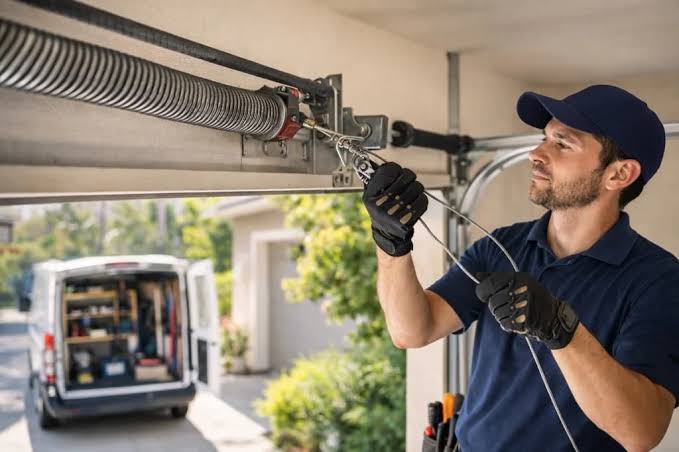
Replacing high-tension cables requires specialized winding tools, strict safety procedures, and precise calibration to ensure smooth, safe operation.

  1. Releasing Spring Tension Safely: Technicians use hardened steel winding bars to release stored energy from torsion springs before removing worn cables from bottom brackets.
  2. Inspecting Drums and Pulleys: Overhead cable drums are checked for worn grooves, cracks, or loose set screws before new aircraft-grade cables are spooled.
  3. Setting Equal Cable Tension: Both replacement cables are locked onto the torsion shaft and calibrated to ensure identical tension, keeping the door level throughout travel.
  4. Testing Safety Reversal Systems: Once reassembled, technicians perform force settings and photo-eye safety tests to verify that the door reverses properly upon encountering obstacles.

Key Takeaways

  1. High-Tension Hazard: Never attempt to adjust, repair, or unbolt bottom cable brackets yourself; these parts hold extreme spring tension.
  2. Recognize Fraying Early: Replacing worn cables at the first sign of frayed strands prevents unexpected door collapse and track damage.
  3. Replace in Pairs: Always replace both left and right cables simultaneously to maintain equal elasticity, tension, and operational life.
  4. Schedule Regular Maintenance: Annual professional tune-ups keep cable drums aligned, hardware lubricated, and counterbalance systems safe.

Safeguard Your Home Entryways

Investing in timely garage door cable repair protects your home, preserves your motorized opener, and prevents dangerous mechanical failures. By keeping an eye out for frayed strands, uneven door movement, or rust buildup, you can catch minor wear issues before they turn into major structural repairs. Partnering with certified local technicians ensures your overhead door cables are installed, tensioned, and balanced to strict safety standards, giving you reliable access and peace of mind every day.