The little things you start to notice
It’s funny how water—something so ordinary—can quietly become a concern. Not overnight, not dramatically. Just small things at first. A faint smell when you turn on the tap. A glass that doesn’t taste quite right. Maybe even a hesitation before taking that first sip in the morning.
Most people don’t immediately think, “There’s a water issue.” We tend to brush it off. Blame the pipes, the weather, anything. But those tiny signs? They usually mean something’s changing beneath the surface.
More common than you think
If you’ve ever wondered whether it’s just your home, it’s not. These are actually common water problems that show up in different forms depending on where you live and what kind of water supply you rely on.
Hard water is one of the usual suspects—loaded with minerals that leave scale on taps and make soap feel less effective. Then there’s sediment, which can sneak into your supply and make water look slightly cloudy. And sometimes, it’s chemicals like chlorine that linger just enough to affect how your water smells or tastes.
None of these issues are rare. In fact, they’re surprisingly widespread. The difference is, some people notice them early, while others just get used to it over time.
When your senses pick up the signal
Taste and smell are powerful indicators, even if we don’t always trust them right away. You might notice a metallic hint, a chlorine-like scent, or something earthy that’s hard to describe. It’s subtle, but it sticks with you.
That’s where water taste odor becomes more than just an annoyance—it’s a clue. It tells you that something in your water isn’t quite balanced. It could be minerals, organic matter, or even harmless bacteria interacting with your plumbing.
And while not every change in taste or smell is dangerous, it’s still worth paying attention to. Because water should feel neutral, almost invisible. When it doesn’t, your senses are trying to tell you something.
Beyond drinking—how it affects daily life
We often focus on drinking water, which makes sense. But water touches much more than that. It runs through your showers, your laundry, your cooking. It’s part of your everyday rhythm.
When quality dips, you start noticing it in unexpected places. Soap doesn’t lather properly. Clothes feel stiff after washing. Your skin might feel dry, even after a long shower. These aren’t major problems on their own, but they add up.
And over time, they can turn simple tasks into small frustrations. The kind you don’t always talk about, but definitely feel.
Finding a way to fix it
Once you’ve connected the dots, the next step usually feels obvious: do something about it. But this is where things can get a bit overwhelming. There are so many options, so many promises, and it’s not always clear what actually works.
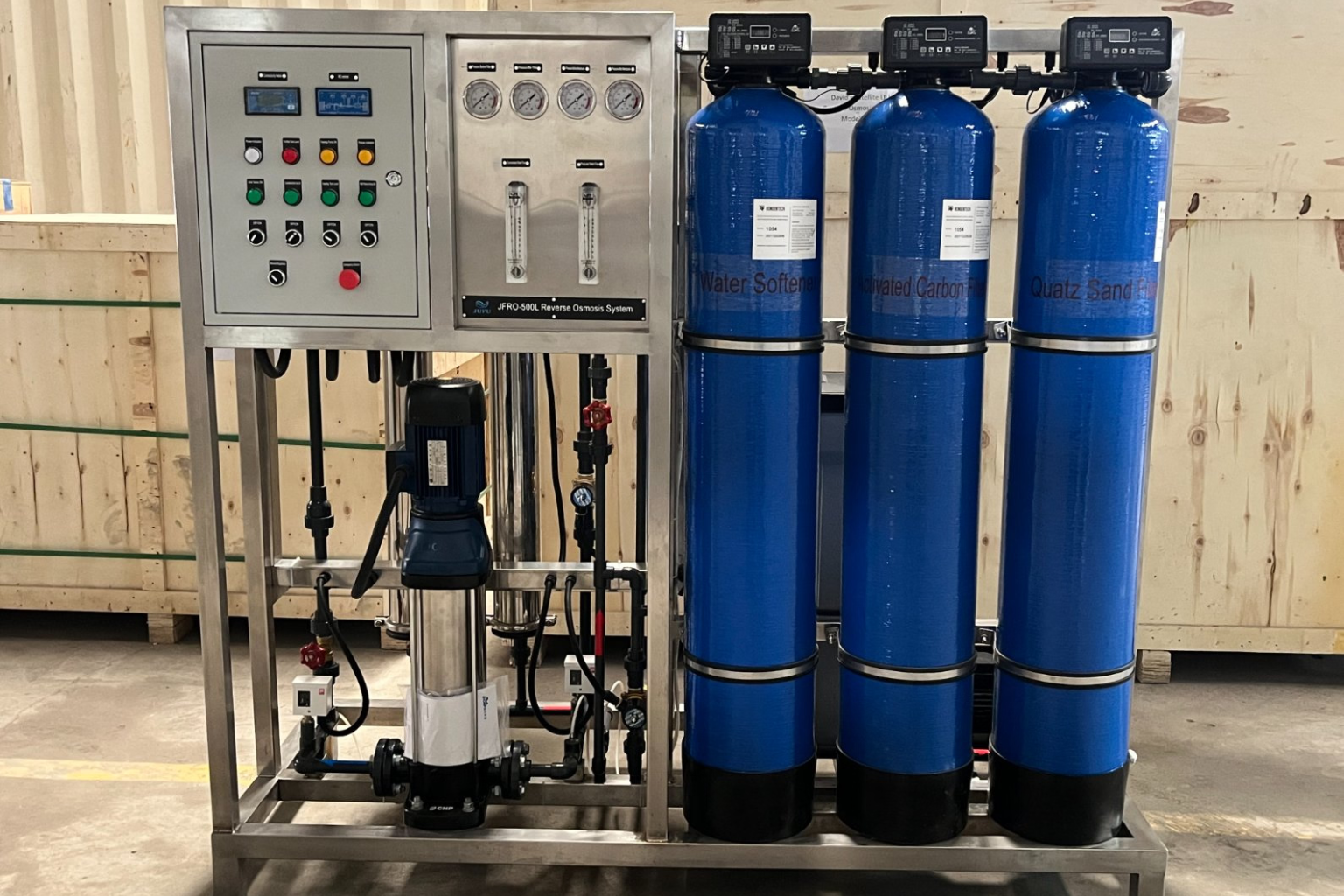
That’s where water filtration systems come into the picture. They’re designed to address specific issues—removing impurities, improving taste, and balancing mineral content depending on your needs.
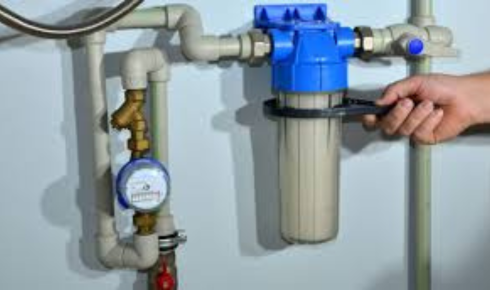
Some systems focus on a single tap, like your kitchen sink. Others work across your entire home, treating water at the point it enters your plumbing. The choice depends on what you’re experiencing and what matters most to you.
There’s no universal solution, and that’s okay. What matters is finding something that fits your lifestyle without adding complexity.
It’s not about perfection
One thing people often expect is a dramatic transformation. Crystal-clear water, perfect taste, instant results. And while improvements can be noticeable, they’re usually more subtle than that.
Better water doesn’t shout. It settles in quietly. You stop noticing strange smells. Your coffee tastes a bit cleaner. Your shower feels more refreshing, though you might not be able to explain why.
It’s less about chasing perfection and more about removing those small irritations that have been sitting in the background.
A more mindful approach to water
At some point, you realize that water isn’t just a utility—it’s part of your environment. Something you interact with constantly, even if you don’t think about it.
So taking a closer look at it isn’t overthinking. It’s just being aware. Noticing what’s working, what isn’t, and making small adjustments that improve your day-to-day life.
Because when water feels right, you don’t question it. You just use it, trust it, and move on.
And maybe that’s the goal—not to make water perfect, but to make it something you never have to second-guess again.