There’s a moment—usually subtle—when your water starts to “talk” to you. Not literally, of course. But the clues are there. A faint taste you can’t quite place. A tap that sputters for a second longer than usual. Maybe your kettle starts building up residue faster than it used to.
None of it feels urgent. But it’s enough to make you pause.
And that pause? That’s where most people start paying attention.
The First Signs You Shouldn’t Ignore
Water issues rarely show up all at once. They creep in slowly, almost politely.
You might notice your coffee tasting slightly different. Or your dishes coming out of the dishwasher with a faint film. Sometimes it’s the way your skin feels after a shower—just a little drier than usual.
These aren’t major problems. But they’re signals.
They’re your system’s way of saying something has shifted, even if it’s small.
When Filtration Becomes More Than a Choice
At some point, curiosity turns into action. You start looking into solutions, trying to understand what might be behind those subtle changes.
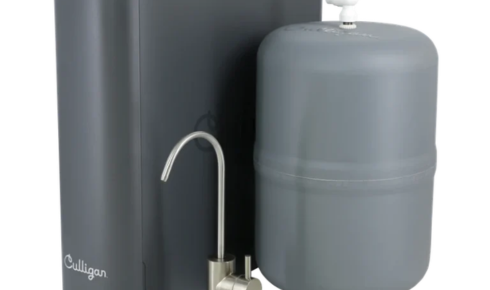
That’s where reverse osmosis systems often come into the conversation. They’re designed to remove a wide range of contaminants, giving you cleaner, better-tasting water right at the source.
What’s interesting is how quickly people notice the difference. Not in a dramatic, overnight transformation—but in the little things. A clearer taste. A smoother feel. A sense that the water is just… better.
And once you get used to that, it’s hard to go back.
Systems Don’t Stay Perfect Forever
Here’s something that doesn’t get talked about enough: even the best water systems need attention.
Filters wear out. Components age. Small issues develop over time.
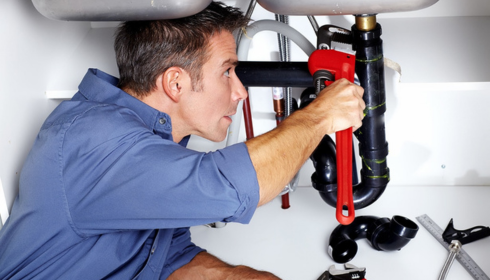
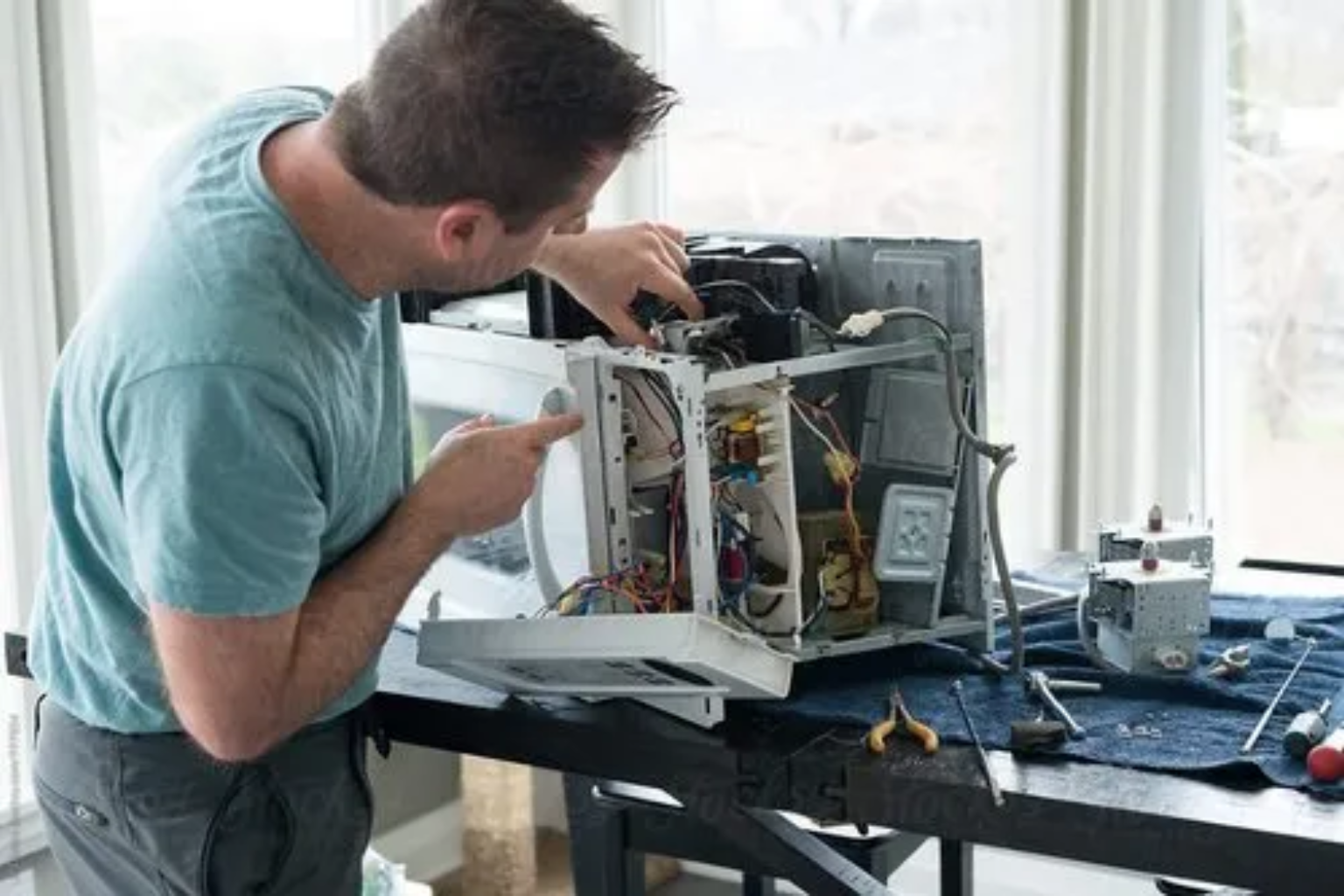
That’s where water treatment repair becomes part of the picture. Not because something has failed completely, but because maintaining performance matters.
A quick fix, a replacement part, a simple adjustment—these can bring a system back to its original efficiency. And often, they’re much easier to handle when caught early.
Ignoring small issues, on the other hand, tends to make things more complicated.
The Convenience Factor You Don’t Expect
One of the more practical aspects of water systems is how they fit into your routine. Or, more accurately, how they don’t disrupt it.
Take water and salt delivery, for example. For homes using water softeners, keeping the system supplied with salt is essential. But remembering to buy and transport heavy bags? Not exactly convenient.
Having it delivered removes that step entirely. It’s one of those small services that doesn’t seem like a big deal—until you realize how much easier it makes things.
And once it’s part of your routine, it feels like something you should’ve done sooner.
The Balance Between Fixing and Improving
There’s a difference between fixing a problem and improving a system.
Fixing is reactive. Something goes wrong, and you address it.
Improving is proactive. You notice small inefficiencies and decide to make things better before they become issues.
Most homeowners end up doing a bit of both. They start by addressing a specific concern, then gradually refine their setup over time.
It’s not about perfection. It’s about progress.
When Water Feels Effortless Again
The goal of any water system isn’t to be noticed. It’s to disappear into the background.
When everything is working properly, you don’t think about your water. You just use it. It tastes right, feels right, and behaves the way you expect.
That’s when you know things are in balance.
And getting there doesn’t require constant effort. It just takes a bit of awareness, a few smart choices, and the willingness to address small issues before they grow.
A Routine That Builds Itself
What starts as a one-time fix often turns into a simple routine.
You replace filters when needed.
You check system performance occasionally.
You make small adjustments without overthinking them.
These habits don’t take much time, but they keep everything running smoothly. And over time, they become second nature.
You’re not managing a system—you’re just maintaining a comfortable environment.
Final Thoughts
Water is one of those things we rely on without much thought. It’s part of our daily rhythm, something we expect to work without interruption.
But when you start paying attention—just a little—you realize how much control you actually have over its quality and performance.
It’s not about chasing perfection or installing the most advanced system available. It’s about understanding what you need, making thoughtful improvements, and keeping things simple.
Because in the end, the best water system isn’t the one you notice.
It’s the one you don’t have to think about at all.