You don’t usually think about water—until it starts behaving differently. Maybe your skin feels tighter after a shower, or your dishes come out of the dishwasher with faint spots no matter how carefully you load them. It’s subtle at first. Easy to ignore.
But then it keeps happening.
And suddenly, you’re wondering if the problem isn’t your soap, your appliances, or your habits… but the water itself.
When Water Isn’t Really “Soft”
Most homes deal with what’s called hard water. It sounds harmless, and in many ways, it is. Hard water isn’t unsafe to drink. But it carries minerals—mainly calcium and magnesium—that tend to leave their mark over time.
You’ll see it in your kettle, that chalky white layer that refuses to go away. You’ll feel it when soap doesn’t quite lather properly. And you’ll notice it in ways you can’t always explain—like laundry that feels a little rougher than it should.
That’s why people often turn to water softener systems. Not because their water is dangerous, but because it’s inconvenient. Because over time, those small annoyances start to pile up.
And once you fix them, you realize how much smoother things can be.
The Daily Friction You Didn’t Notice
There’s something almost sneaky about hard water. It doesn’t create a single big problem—it creates a hundred small ones.
Your shampoo doesn’t rinse cleanly. Your water heater works harder than it should. Faucets lose their shine faster. It’s like a constant, low-level resistance built into everyday life.
The process of hard water removal is really about reducing that friction. It’s not about chasing perfection—it’s about making daily routines feel just a bit easier.
I remember someone describing it as “finally getting rid of that invisible layer you didn’t know was there.” That’s exactly what it feels like. Not dramatic, just noticeably better.
How Softening Actually Works (Without Overcomplicating It)
If you’ve ever looked into water softening, you’ve probably come across technical terms that feel… a bit much. Resin beds, regeneration cycles, sodium ions—it can get confusing fast.
But at its core, the process is pretty straightforward.
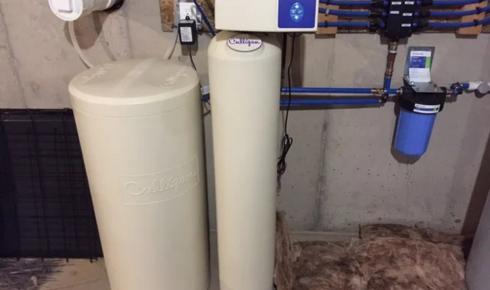
ion exchange softeners replace the hardness minerals in your water with sodium or potassium. The minerals that cause buildup are essentially swapped out, leaving behind water that behaves differently—softer, smoother, easier to work with.
You don’t need to understand every detail to appreciate the result. It’s like driving a car—you don’t need to know how the engine works to enjoy a smooth ride.
The Small Changes That Add Up
What’s interesting is how quickly you start noticing changes once soft water becomes part of your routine.
Soap lathers better. You use less detergent. Glassware comes out clearer. Even your hair might feel softer, though that one tends to surprise people the most.
And then there are the long-term benefits—appliances lasting longer, pipes staying cleaner, fewer repairs creeping up over time.
It’s not flashy. No one’s going to walk into your house and immediately comment on your water quality. But you’ll notice it. Quietly, consistently.
Not Every Home Needs the Same Solution
Here’s where things get a bit nuanced.
Not all water is equally hard. Some areas have mild mineral content, while others deal with extremely high levels. And depending on that, the kind of system you need can vary quite a bit.
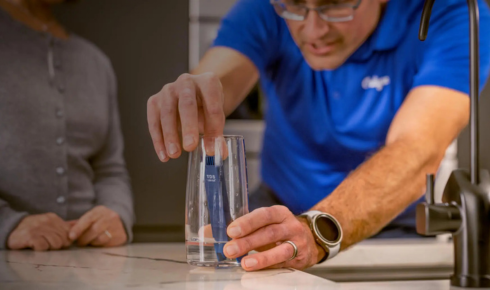
That’s why testing your water is such a smart first step. It gives you a clear picture of what you’re dealing with—no guesswork, no assumptions.
From there, you can decide what level of treatment actually makes sense. Maybe it’s a full-home system. Maybe it’s something smaller. Either way, it’s about matching the solution to the situation.
Maintenance: The Reality Check
Let’s not pretend this is a set-it-and-forget-it kind of deal.
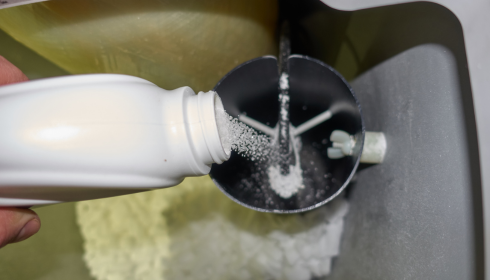
Softeners need a bit of attention. Salt levels have to be maintained. Systems need occasional checks. It’s not difficult, but it does require some consistency.
The upside? Once you get into the rhythm of it, it becomes second nature. Like refilling a water bottle or charging your phone. Just another small habit that supports a bigger benefit.
And honestly, it’s a fair trade.
A Different Relationship With Water
What surprised me the most, talking to people who’ve switched to softened water, is how their relationship with water changes.
They stop thinking of it as just… water.
It becomes something they trust more. Something they notice. There’s a kind of quiet confidence in knowing that what’s coming out of the tap isn’t working against you.
You stop buying into quick fixes—special soaps, extra cleaning products—and instead address the root of the issue.
And that shift? It’s subtle, but it matters.
Is It Worth It?
That depends on what you’re experiencing right now.
If your water feels fine, maybe there’s no urgency. But if you’ve noticed those little signs—buildup, dryness, inefficiency—it might be worth looking into.
Because improving water quality isn’t about luxury. It’s about comfort. About reducing the small, daily frustrations that we’ve learned to live with.
And once those frustrations are gone, even something as ordinary as turning on the tap can feel… better.
Not life-changing, maybe. But definitely life-improving.