There’s a funny thing about roofs—you don’t notice them until something goes wrong. They sit above us, day after day, absorbing heat, resisting rain, handling wind like it’s all part of the job. And maybe it is. Still, every roof has a story, shaped by the materials it’s made from and the conditions it survives.
I’ve always thought roofs are a bit like silent guardians. No applause, no recognition—just steady work. Until, of course, there’s a problem. Then suddenly, they become the center of attention.
And that’s where things get interesting.
Choosing the Right Material Isn’t as Simple as It Sounds
When people think about roofing, they often jump straight to cost. What’s cheaper? What lasts longer? What looks better?
But the reality is a bit more layered than that.
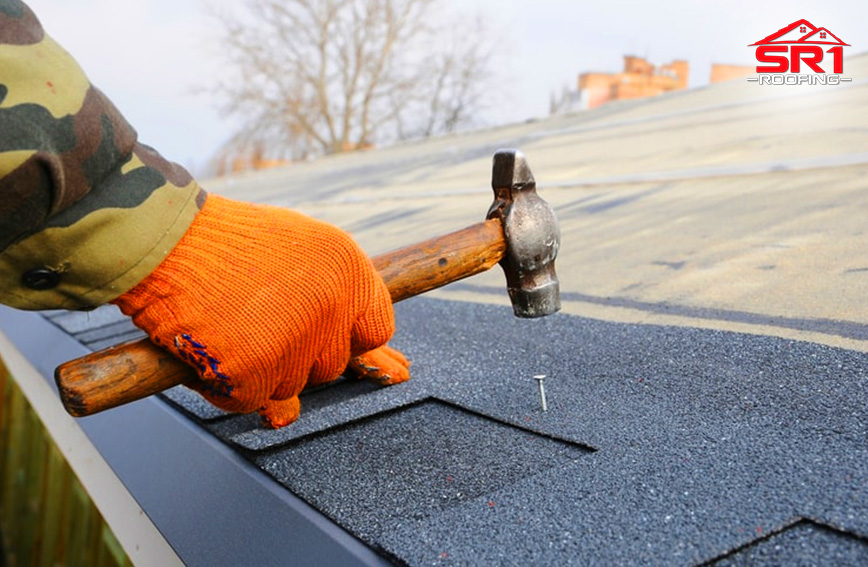
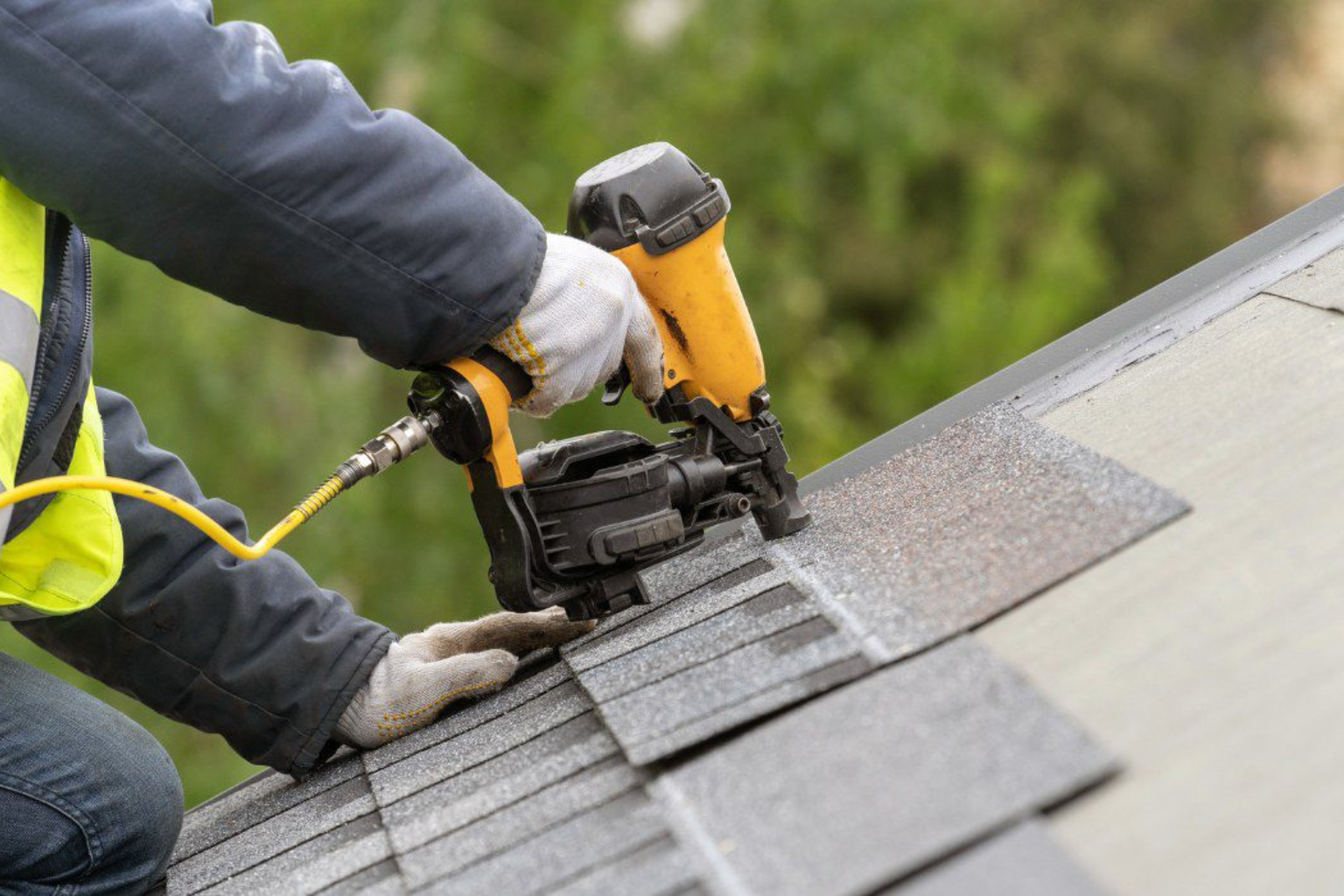
Take shingle roofing, for example. It’s one of the most common choices, and for good reason. It’s affordable, relatively easy to install, and comes in a range of styles that can match almost any home. There’s a certain familiarity to it—you see it everywhere, and it feels dependable.
But here’s the catch. While shingles are practical, they’re not invincible. Over time, they can curl, crack, or loosen, especially in areas with extreme heat or heavy rainfall. So while the upfront cost is appealing, maintenance becomes part of the deal.
Still, for many homeowners, it’s a trade-off that makes sense. A balance between budget and functionality.
When Durability Becomes the Priority
Then there’s the other side of the spectrum—materials built to last, even if they ask for a bit more upfront.
Metal roofing has quietly gained popularity over the years. And it’s not hard to see why. It’s tough, resistant to harsh weather, and can last decades with minimal upkeep.
I once visited a house where the roof had been installed over 30 years ago. Still solid. Still doing its job. That kind of longevity changes the conversation.
Of course, it’s not just about durability. Metal roofs also reflect heat better than many other materials, which can make a noticeable difference in indoor temperatures—especially during long summers.
But like anything, it’s not perfect. The initial investment is higher, and some people aren’t fans of the sound during heavy rain. Though honestly, some find that sound oddly comforting.
It really comes down to what you value more—short-term savings or long-term peace of mind.
The Unexpected Moments No One Plans For
Now, here’s the part most people don’t think about until they have to.
Emergencies.
A sudden storm. A fallen tree branch. Wind strong enough to lift parts of your roof like they’re paper. These situations don’t give you time to research, compare options, or think things through.
You just need help—and fast.
That’s where emergency roofing support becomes more than just a service. It becomes a lifeline. Quick response, temporary fixes, damage control—whatever it takes to prevent things from getting worse.
I remember a friend calling me late one night after a storm had ripped through his area. Water was leaking into his living room, and he had no idea what to do. Within hours, a team arrived, secured the damaged area, and gave him enough breathing room to plan the next steps.
That kind of support isn’t something you think about when everything’s fine. But when things go wrong, it’s everything.
It’s Not Just About Materials—It’s About the Bigger Picture
Sometimes, we get so focused on the type of roof that we forget about the system as a whole.
Ventilation. Insulation. Drainage.
These aren’t just technical details—they directly affect how your roof performs over time. Poor ventilation can trap heat and moisture, leading to faster wear. Weak drainage can cause water to pool, increasing the risk of leaks.
It’s all connected.
And the truth is, even the best materials won’t perform well if the system around them isn’t properly designed or maintained.
The Role of Maintenance (Even When You’d Rather Ignore It)
Let’s be honest—roof maintenance isn’t exactly exciting. It’s one of those things you know you should do, but often push to the bottom of your to-do list.
Until something happens.
Regular check-ups, cleaning debris, fixing minor issues early—it all adds up. Not in a flashy way, but in a quiet, steady extension of your roof’s lifespan.
It’s a bit like taking care of your car. Skip maintenance, and you might get away with it for a while. But eventually, it catches up.
Roofs are no different.
A Personal Note on Making the Right Decision
If there’s one thing I’ve learned, it’s that there’s no perfect roofing choice—only the one that fits your needs, your environment, and your priorities.
Some people prefer the affordability and familiarity of shingles. Others lean toward the durability and efficiency of metal. And some only start thinking about their roof when an emergency forces them to.
All of these approaches are valid, in their own way.
What matters is staying informed. Asking questions. Not rushing decisions just to “get it done.”
Closing Thoughts — The Quiet Value of a Good Roof
At the end of the day, a roof isn’t just another part of your house. It’s what makes everything underneath possible.
It shelters your daily life—the small routines, the big moments, and everything in between. It’s there during storms, during heatwaves, during those quiet nights when you don’t think about it at all.
And maybe that’s the point.
A good roof doesn’t demand attention. It just works.
Until it doesn’t—and then it reminds you exactly why it matters.
So whether you’re choosing materials, planning upgrades, or just trying to stay ahead of potential problems, take your time. Think it through.
Because when it comes to something that literally protects your world, it’s worth getting right.