There’s a strange thing about water — we trust it without thinking. It’s part of our routine in a way that feels almost invisible. You wake up, brush your teeth, make tea, rinse vegetables, maybe take a long shower at the end of the day. It’s always there, always flowing, always assumed to be fine.
But every now and then, something feels a little off.
Maybe it’s a metallic taste. Maybe your sink has those stubborn white marks that won’t go away. Or your skin feels dry no matter how many products you try. It doesn’t scream “problem,” but it lingers enough to make you wonder.
The Difference Between Where Your Water Comes From
Not all water is created equal — and that’s not just a technical statement, it’s something you start to notice once you pay attention.
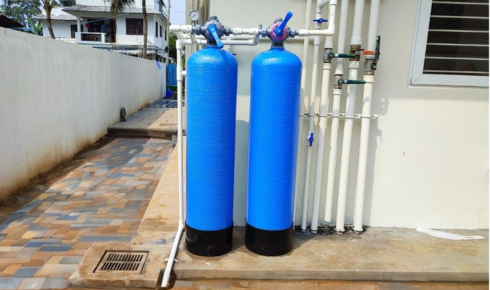
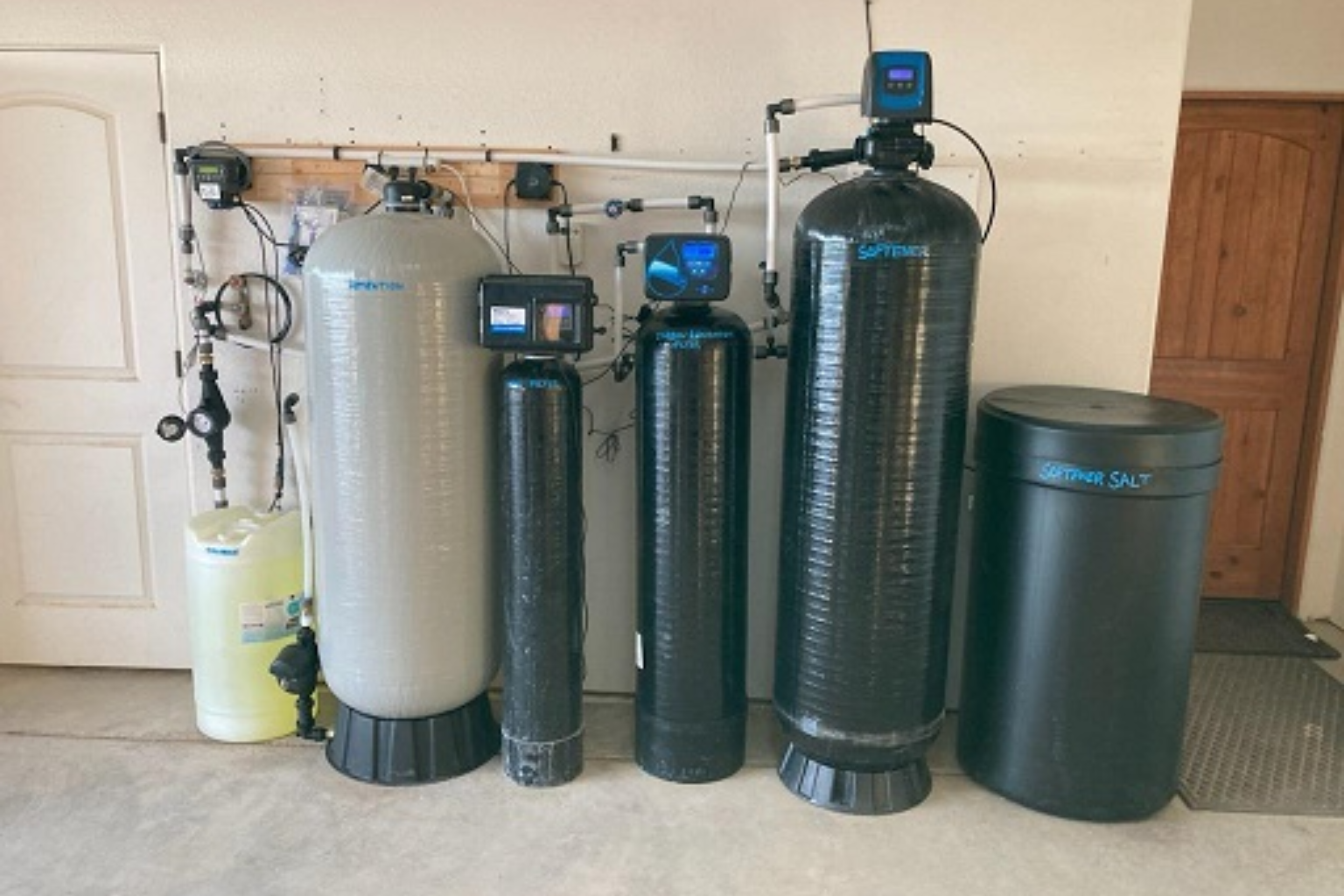
Homes connected to private sources often rely on groundwater, which comes with its own set of quirks. That’s where well water treatment becomes part of the conversation. It’s not unusual for well water to carry minerals, iron, or even bacteria depending on the region. Some people say their water smells earthy or leaves orange stains in sinks and tubs.
At first, it might seem manageable. But over time, those little signs start affecting more than just appearance.
City Water Has Its Own Set of Surprises
On the other hand, municipal water — the kind supplied by local authorities — is treated and regulated. That sounds reassuring, and in many ways, it is. But that doesn’t mean it’s perfect.
Chlorine is commonly used for disinfection, which can leave a noticeable taste or odor. Pipes, especially older ones, can introduce additional contaminants. And sometimes, the water just feels… different.
These kinds of municipal water issues don’t always show up in obvious ways. Instead, they quietly influence your daily experience — the way your coffee tastes, how your skin feels, even how your laundry turns out.
It’s subtle, but it’s there.
Hard Water: The Silent Culprit
If there’s one thing that sneaks into homes without much attention, it’s hard water.
You don’t see it directly, but you see what it leaves behind. White residue on faucets. Soap that refuses to lather properly. Glassware that never quite looks clean, no matter how many times you rinse it.
And then there’s your hair — dull, lifeless on some days — or your skin, which feels tight even after moisturizing.
That’s where hard water removal starts to make a lot of sense. Not as a luxury upgrade, but as a practical fix to something that slowly wears down your comfort and your home.
It’s Not Just About Clean — It’s About Comfort
We often frame water quality in terms of cleanliness, but it goes beyond that.
It’s about how your home feels.
When water quality improves, you notice small things first. Your shower feels smoother. Your dishes dry without spots. You use less soap, less detergent. And gradually, those small improvements build into something bigger.
It’s not dramatic, not something you’d necessarily brag about. But it changes your everyday experience in a way that’s hard to ignore once you’ve felt it.
The Cost of Ignoring the Signs
One of the tricky parts about water issues is how easy they are to ignore.
You adapt. You clean more often. You replace appliances a little sooner than expected. You spend on products that promise to fix symptoms rather than the root cause.
But over time, those costs add up — financially and mentally. It’s like living with a low-level inconvenience that never quite goes away.
And then one day, you realize it didn’t have to be that way.
Finding What Actually Works for You
There’s no universal answer when it comes to water solutions, and that’s worth remembering.
What works for a home using well water might not make sense for someone connected to a city supply. Even within the same area, two houses can have completely different water characteristics.
That’s why understanding your water — not guessing, not assuming — is such an important first step.
From there, it becomes less about chasing trends and more about choosing something that fits your specific needs.
A Small Change That Feels Bigger Than It Is
There’s something quietly satisfying about improving something so fundamental.
You don’t need to redesign your home or invest in major renovations. Sometimes, it’s just about paying attention to what’s already there and making it better.
Better water doesn’t demand attention. It doesn’t show off. But it touches everything — your routines, your comfort, even your peace of mind.
Ending on a Simple Thought
We often overlook water because it feels ordinary. But when it’s not quite right, it affects more than we expect.
And when it is right? You feel it in ways that are hard to describe but easy to appreciate.
Maybe that’s the takeaway — not to obsess over it, but not to ignore it either. Just to notice. To question a little. And if something feels off, to explore what could make it better.
Because sometimes, the smallest changes — the quiet ones — end up making the biggest difference in how a home truly feels.