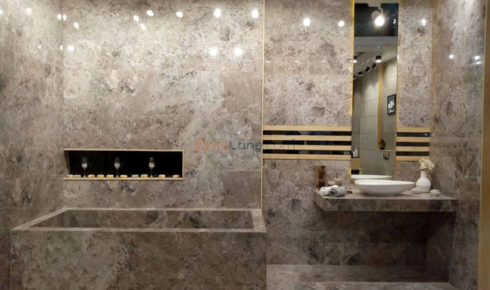
Bathroom remodeling might seem all about sleek tiles, modern fixtures, and spa-like lighting—but the real secret to a durable, mold-free bathroom lies beneath the surface. That’s where proper waterproofing and ventilation come in. According to the remodeling pros in San Diego, Sheiner Construction, “two of the most overlooked (yet vital) parts of a bathroom remodel are how well you keep water out and how efficiently you move humid air out.”
Bathroom Remodels tip 1 : Don’t skimp on waterproofing quality
When it comes to water-wet rooms, Sheiner Construction emphasises: “Don’t skimp.” They advise using high-quality materials and workmanship for waterproofing, tiling, plumbing fixtures etc.
Why this is key: Poor waterproofing is the root of many bathroom failures—leaks, mould, rot, damaged finishes. Using proper waterproof membranes, sealed joints, and durable substrates will significantly prolong the life of your remodel.
Practical tip: Choose a proven waterproofing system (sheet-membrane or liquid membrane), ensure corners and transitions are treated carefully, and check that the installer has experience with wet-area waterproofing.
Bathroom Remodels tip 2: Plan ventilation from the start
One of their core tips is to “map out details like … ventilation” early in the remodel planning phase.
Why this matters: Ventilation is often overlooked, yet inadequate airflow leads to humidity build-up, condensation, and ultimately damages surfaces and finishes. As other experts note, the right fan size, placement and ducting are central to a healthy bathroom. Practical tip: During design, factor in an exhaust fan with capacity appropriate to your bathroom size (e.g., calculate required CFM), locate it near the shower or tub, and plan the duct to exit to the exterior rather than into a ceiling cavity.
Bathroom Remodels tip 3: Cover the full “wet-area” envelope
While the article doesn’t list exact steps for waterproofing from Sheiner themselves, general best practice reinforced by sources is critical: surfaces where water can reach (walls, floors, around the shower tray/tub, plumbing penetrations) must be fully protected.
Why this is crucial: Gaps, transitions, and joints are often the weak points. Water finds tiny paths and over time damages structure and finishes.
Practical tip: Ensure the waterproofing membrane rises a minimum height on the walls behind the tub/shower, corners and floor-wall junctures have reinforcement tape or flashing, and any penetration (valves, pipes) is sealed properly.
Bathroom Remodels tip 4: Ensure proper drying and air circulation post-remodel
Ventilation doesn’t end at installation—maintenance and usage matter. Having a good fan is one thing, but using it, maintaining it, and confirming that air flows efficiently is another. From best-practice advice: run the fan during and after showers, keep vents clean, and allow fresh air in when possible.
Why this matters: Even with great waterproofing, if humidity lingers the risk for mould, peeling finishes and odour increases.
Practical tip: Install a timer on the exhaust fan so it runs some minutes after use; periodically clean the vent cover and duct; if you have a window, crack it open for a few minutes after showering.
Bathroom Remodels tip 5: Choose reliable contractors who understand both waterproofing & ventilation
Sheiner’s tip: “Figure out who you can trust” when selecting a contractor. Why this is key: Waterproofing and ventilation are technical. A contractor might tile beautifully but miss proper waterproof transitions or ducting details. The right pro knows the wet-area codes, how to integrate ventilation, and ensures long-term performance.
Practical tip: Ask your remodeler specifically about their waterproofing system, ask to see product/instructions, inquire how the fan is sized/ducted, and ask for references of past bathroom remodels where no water issues emerged.
Conclusion
A beautiful bathroom isn’t just about style—it’s about smart design that prioritizes durability and health. Sheiner Construction’s five tips serve as a solid reminder that true quality starts behind the walls and under the tiles. With the right waterproofing system, thoughtful ventilation planning, and a trustworthy contractor who understands both, you’re setting your remodel up for decades of comfort and reliability.
So before you pick out your next tile pattern or vanity color, make sure you’ve locked down the basics that matter most. Because a bathroom that breathes well and stays dry is one that never loses its charm—or its value.